

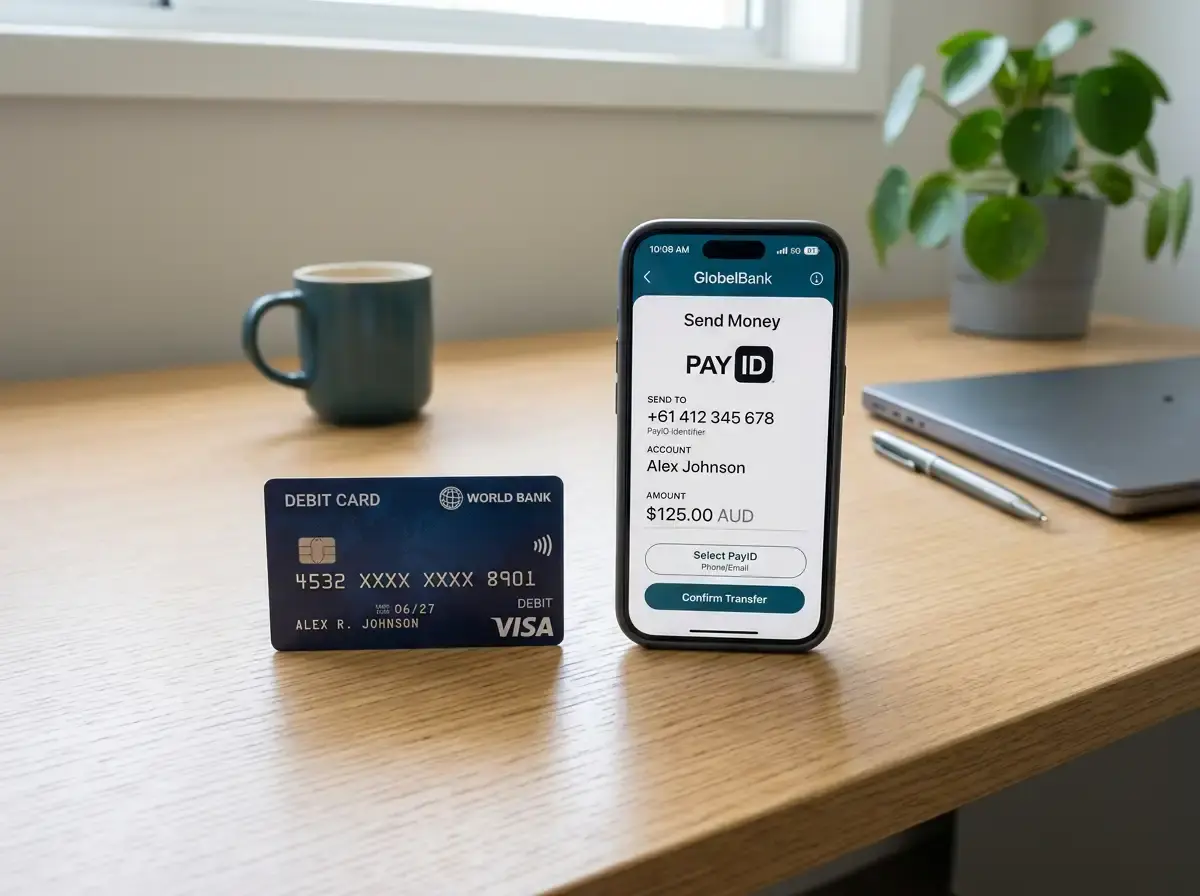
I ran a side-by-side test in March 2026 that settled the debate for me personally. Same casino, same amount, same time of day. The PayID deposit credited in 11 seconds. The Visa debit deposit took 3 minutes and 42 seconds. The PayID transfer cost me nothing. The debit card deposit carried a 2.1% processing surcharge — A$2.10 on my A$100 deposit. Both methods got money into my account, but one did it faster and cheaper. The comparison is not even close on the metrics that matter most to players, yet debit cards persist because they carry decades of familiarity that PayID is still building.
Deposit Speed: Seconds vs Minutes
PayID deposits settle via NPP, which processed roughly 2 billion real-time transactions in 2025. The settlement is sub-second — your bank sends the funds, NPP clears them, and the recipient’s bank credits the account in under a second. Any delay beyond that is the casino’s payment processor reconciling the incoming payment against your player account, which typically adds 5 to 30 seconds. The total time from confirming the transfer in your banking app to seeing the balance update at the casino ranges from 8 to 45 seconds in my testing across twelve casinos.
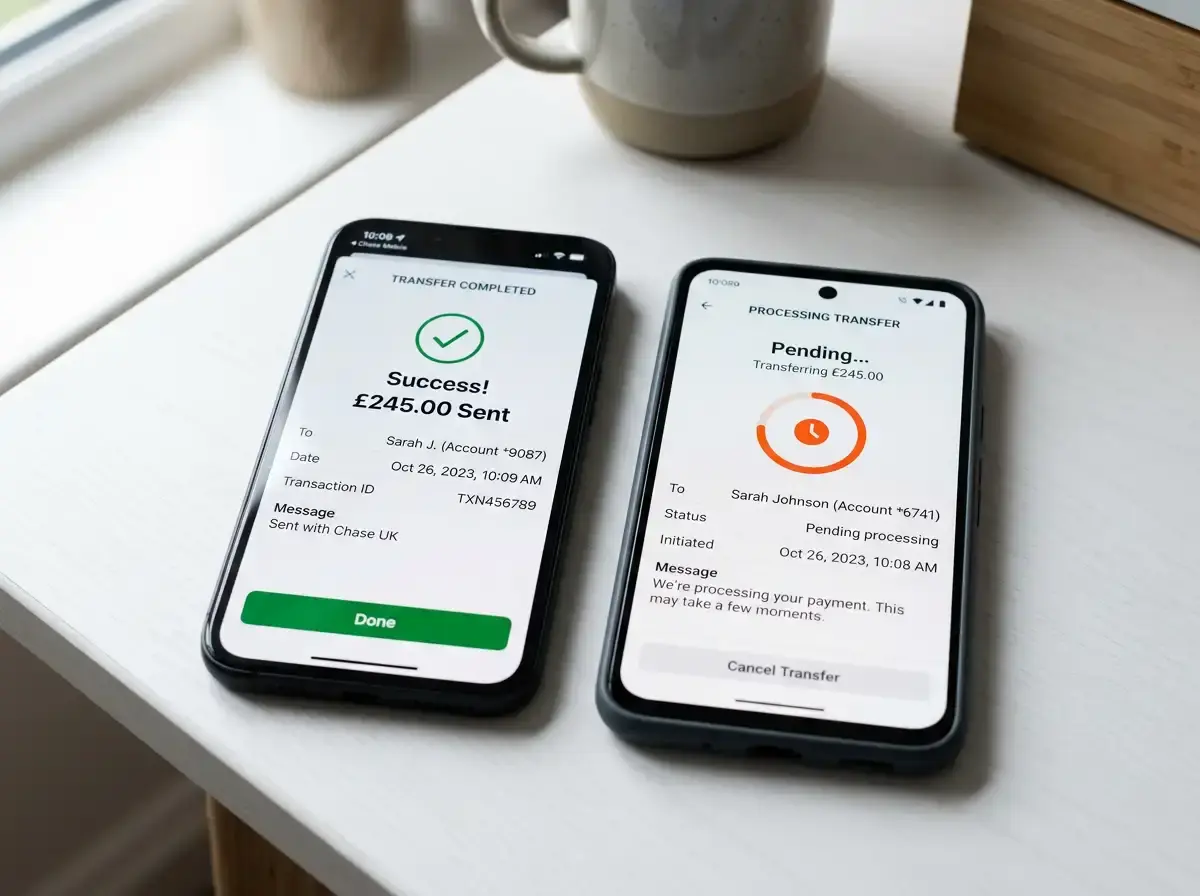
Debit card deposits route through the card networks — Visa or Mastercard — which adds intermediary processing steps. The cardholder’s bank authorises the transaction, the card network routes it to the acquirer, the acquirer forwards it to the casino’s processor, and the processor credits the player account. Each step adds latency. In practice, debit card deposits at offshore casinos take 1 to 5 minutes, with the median around 2 to 3 minutes. Domestic licensed bookmakers tend to be faster — under a minute — because their acquirer relationships are more direct.
The speed difference is marginal for planned deposits but significant for reactive ones. If you are pre-funding your account before a session, three minutes versus ten seconds does not change your evening. If you are topping up during a live dealer session or trying to catch an in-play sports market, the difference determines whether you get the bet on. The faster the game moves, the more the speed gap matters.
Fee Structures: Zero vs Percentage
PayID transfers carry no transaction fees for the sender. Your bank does not charge you for making a PayID payment, and the casino’s processor absorbs the minimal NPP wholesale cost — which dropped from $0.39 per transaction in 2019 to approximately $0.04 in FY25. The player-facing cost is zero on every deposit, regardless of amount.

Debit card deposits frequently carry a surcharge. Of the twelve offshore casinos I tested, eight applied a processing fee ranging from 1.5% to 3% on card deposits. The remaining four absorbed the cost, though two of those had slightly higher minimum deposit requirements for card users. Card fraud in Australia totalled $854 million in FY25, and the fraud mitigation costs baked into card processing rates are part of why surcharges exist — they pass the cost of operating in a fraud-prone payment ecosystem down to the player.
Over time, the fee difference compounds. A player depositing A$200 per week via debit card at a 2% surcharge pays A$4 per week — A$208 per year — in deposit fees alone. The same deposit via PayID costs nothing. That A$208 is pure dead weight: it does not increase your bankroll, does not improve your odds, and provides no value beyond the convenience of using a card rather than a banking app. For any player making regular deposits, the fee argument alone makes PayID the economically rational choice.
Acceptance Rates: Which Casinos Take What
Debit cards have broader global acceptance. Visa and Mastercard are accepted at virtually every online casino worldwide, regardless of the player’s country of origin. PayID acceptance is limited to casinos that have established Australian payment processing relationships — which includes most operators targeting the Australian market but excludes casinos focused primarily on European, Asian, or North American players.

Among the offshore casinos actively targeting Australians — the ones with AUD pricing, Australian-focused promotions, and Australian payment methods on their cashier pages — PayID acceptance is now near-universal. The credit card ban in August 2024 made Australian PayID processing infrastructure a prerequisite for any casino serious about the Australian market. Casinos that do not offer PayID are either not targeting Australians or have not invested in the payment processing relationships necessary to accept NPP transfers.
For players who gamble exclusively at Australian-facing casinos, the acceptance question is effectively settled: both methods are available, and PayID is the better option on speed and cost. For players who also use international casinos without Australian payment processing, debit cards remain the fallback. The practical approach is to use PayID wherever it is available and reserve your debit card for the minority of platforms that do not accept it.
Withdrawal Comparison: Card Refund vs Bank Transfer
Deposits are only half the equation. Withdrawals reveal a different dynamic. Most offshore casinos cannot process withdrawals directly to a PayID — they send bank transfers to your BSB and account number, which route through the older BECS system or, increasingly, through NPP using your account details rather than your PayID identifier. In 2024, NPP processed 1.6 billion transactions totalling AUD 1.99 trillion, a 23% increase over 2023. The infrastructure handles withdrawal volume comfortably, though processing times depend on the casino’s manual review and payment scheduling.

Debit card withdrawals process as refunds through the card network, which carries its own timing. Visa and Mastercard refund processing typically takes 3 to 5 business days, plus the casino’s internal processing time of 1 to 3 days. Total withdrawal time via card ranges from 4 to 8 business days in most cases. Bank transfer withdrawals via NPP can settle in hours once the casino dispatches them, though the dispatch itself may take 1 to 5 business days depending on the operator’s payout schedule.
Neither method offers truly instant withdrawals — the casino’s internal review process is the bottleneck, not the payment rail. But once the casino releases the funds, NPP bank transfers arrive faster than card refunds. The ideal hybrid approach for players is to deposit via PayID (free, instant) and receive withdrawals via bank transfer (faster than card refund). Some players deposit via PayID and request withdrawals to their debit card purely out of habit, unaware that the bank transfer option is both available and faster.
Which to Use and When
The verdict is straightforward for the vast majority of Australian casino players: use PayID for deposits at every casino that accepts it. Zero fees, faster settlement, bank-verified identity chain, and no card details exposed to the casino’s payment system. Reserve debit cards for international platforms without PayID support and for situations where your PayID is temporarily unavailable — bank maintenance, identifier switching, or daily limit restrictions that you have not yet adjusted.

The only scenario where a debit card offers a genuine advantage is cashback programmes. Some Australian debit cards earn reward points or cashback on purchases, and gambling transactions may qualify depending on the card’s terms and the merchant category code. If your card’s cashback rate exceeds the surcharge the casino applies, the net economics favour the card. This scenario is rare but not impossible, and it is worth checking your card’s terms before defaulting to PayID on principle alone.