


I get asked this question more than any other in my inbox: “Which bank should I use for PayID casino deposits?” The answer is less about which banks support PayID — at this point, nearly all of them do — and more about which banks don’t interfere with gambling-related transfers. Over 114 million bank accounts are connected to NPP sending and receiving in Australia. The coverage is essentially universal. But coverage and cooperation are different things, and some institutions are far more accommodating than others when it comes to letting your money flow to an offshore casino account.
This guide maps the landscape bank by bank: the Big Four, the regionals, the neobanks, and the institutions that have started flagging or blocking gambling transfers. I’ve compiled this through direct testing, player reports, and public documentation from the banks themselves — not from casino affiliate lists that haven’t been updated since 2024.
Big Four Banks: CommBank, ANZ, NAB, Westpac
If I had to pick one bank to open a fresh account with specifically for PayID casino deposits, I’d still go with one of the Big Four. Not because they’re enthusiastic about gambling — none of them are — but because their NPP integration is the most mature, their PayID setup process is the smoothest, and their daily transfer limits are generally the highest among retail banks.

Commonwealth Bank has the largest customer base and the most established PayID infrastructure. PayID registration through the CommBank app takes under two minutes — navigate to the payments section, select PayID, link your mobile number or email, confirm. The process is identical across the CBA, Bankwest (a CBA subsidiary), and CommBiz (their business platform). Daily transfer limits for standard retail accounts start at around A$5,000 but can be increased through the app. CommBank has implemented gambling-related transaction monitoring, and some players report notifications or temporary holds on transfers to unfamiliar recipients that match known gambling merchant patterns.
ANZ processes PayID through its ANZ Plus and ANZ Classic app interfaces. Registration follows the same national standard — link your identifier, verify, and you’re live. ANZ has been vocal about customer protection measures, and their fraud detection systems are among the most sensitive in the Big Four. This means fewer false declines for established customers but potentially more friction for new account holders making their first large transfer to a casino-linked account.
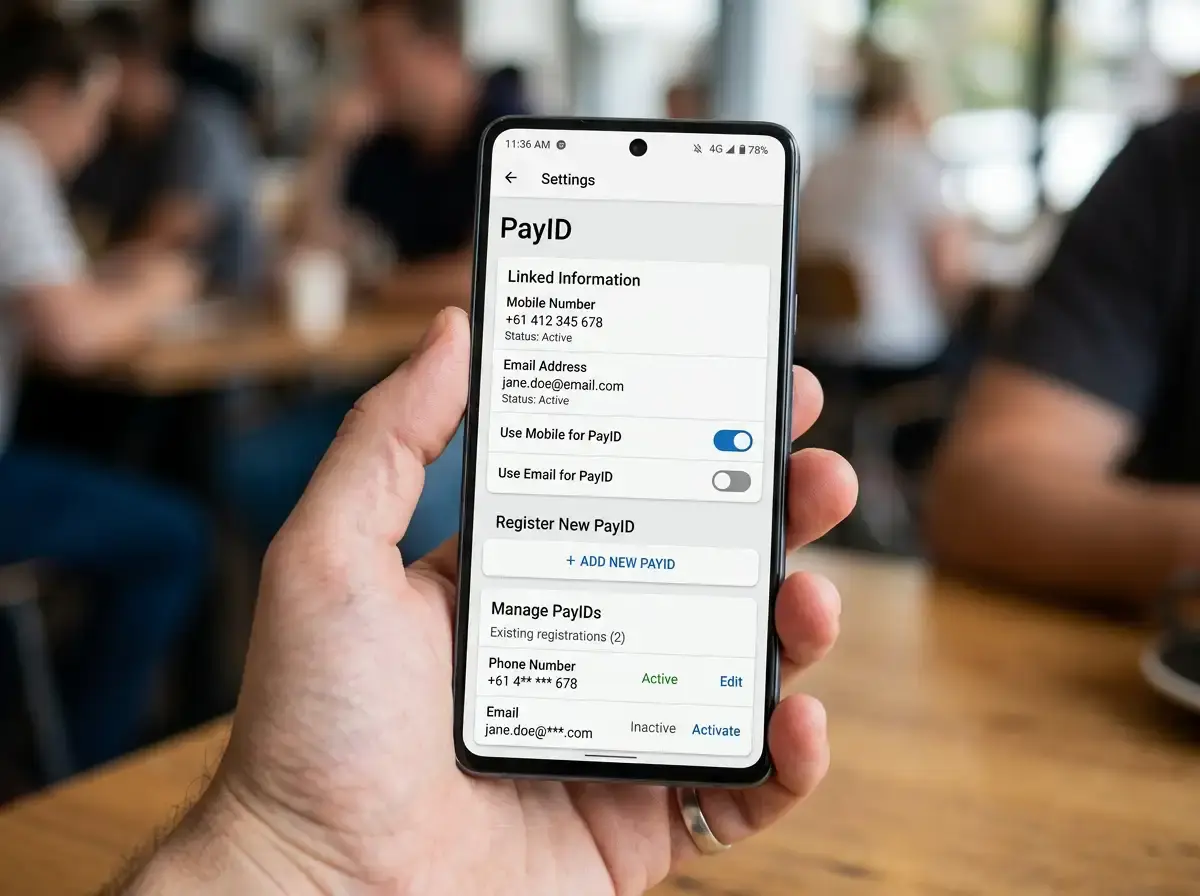
NAB and Westpac round out the Big Four with comparable PayID functionality. NAB’s mobile app handles PayID registration and transfers cleanly, with daily limits that can be adjusted through the app for most account types. Westpac offers PayID through both their consumer app and the subsidiary brands — St. George, Bank of Melbourne, BankSA — all running on the same NPP infrastructure. With more than 18.5 million PayIDs registered across the country, the Big Four collectively account for the majority of active registrations.
The critical point across all four: none of them prohibit PayID transfers to gambling operators as a blanket policy. They monitor, they flag, and in some cases they delay — but they don’t categorically block. The experience varies by account history, transfer size, and how their fraud detection algorithms interpret the transaction.
Regional and Digital Banks With PayID
Beyond the Big Four, the regional banks and digital-only institutions present a mixed landscape. Bendigo and Adelaide Bank, Suncorp, Bank of Queensland, and Macquarie all support PayID natively through their apps. The setup process follows the same national standard, and the NPP integration is functionally identical to what the Big Four offer.
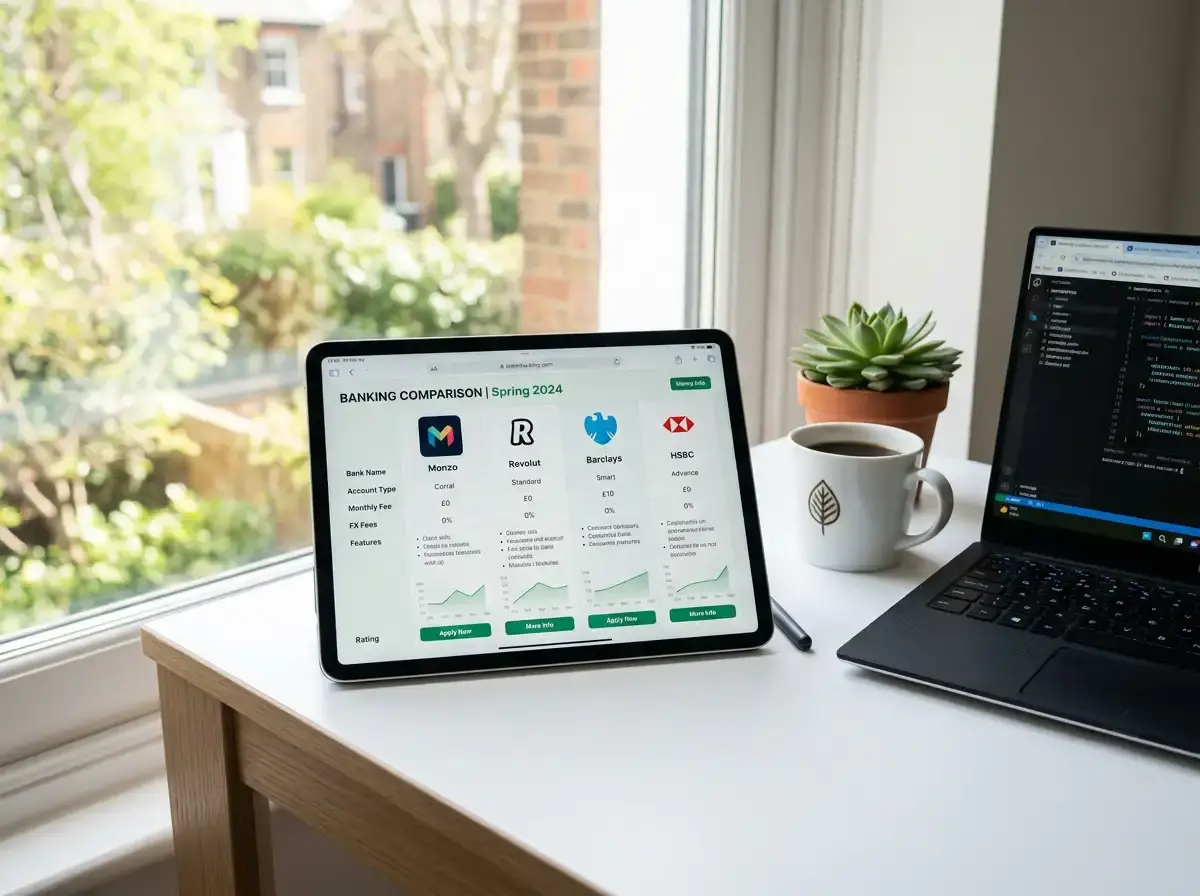
Where regionals differ is in daily transfer limits and customer service responsiveness. Bendigo and Adelaide Bank, for instance, has historically set lower default daily caps than the Big Four, which can be limiting for players making larger deposits. Suncorp’s PayID integration is solid but their customer support queue for limit increase requests can be slower than the majors.
The neobanks — Up, ING Australia, Judo Bank, 86 400 (now part of NAB) — are an interesting category. These digital-first institutions built on top of NPP infrastructure from day one, and their PayID implementations are often the most streamlined. Up, in particular, has a notably clean transfer interface. ING Australia’s PayID works well but their transfer limit structure requires navigating several menu layers to adjust. The Customer Owned Banking Association (COBA) represents mutual banks and credit unions, and their CEO Michael Lawrence has emphasised that these institutions have “worked tirelessly to implement” protective technologies like Confirmation of Payee — the same NPP-based security layer that the Big Four use.
Banks That Block or Flag Gambling Transfers
Since the credit card gambling ban took effect in August 2024, every major bank has tightened its approach to gambling-related transactions. The ban itself applies to credit cards, not debit cards or bank transfers — but the regulatory signal prompted banks to review their broader gambling transfer policies.
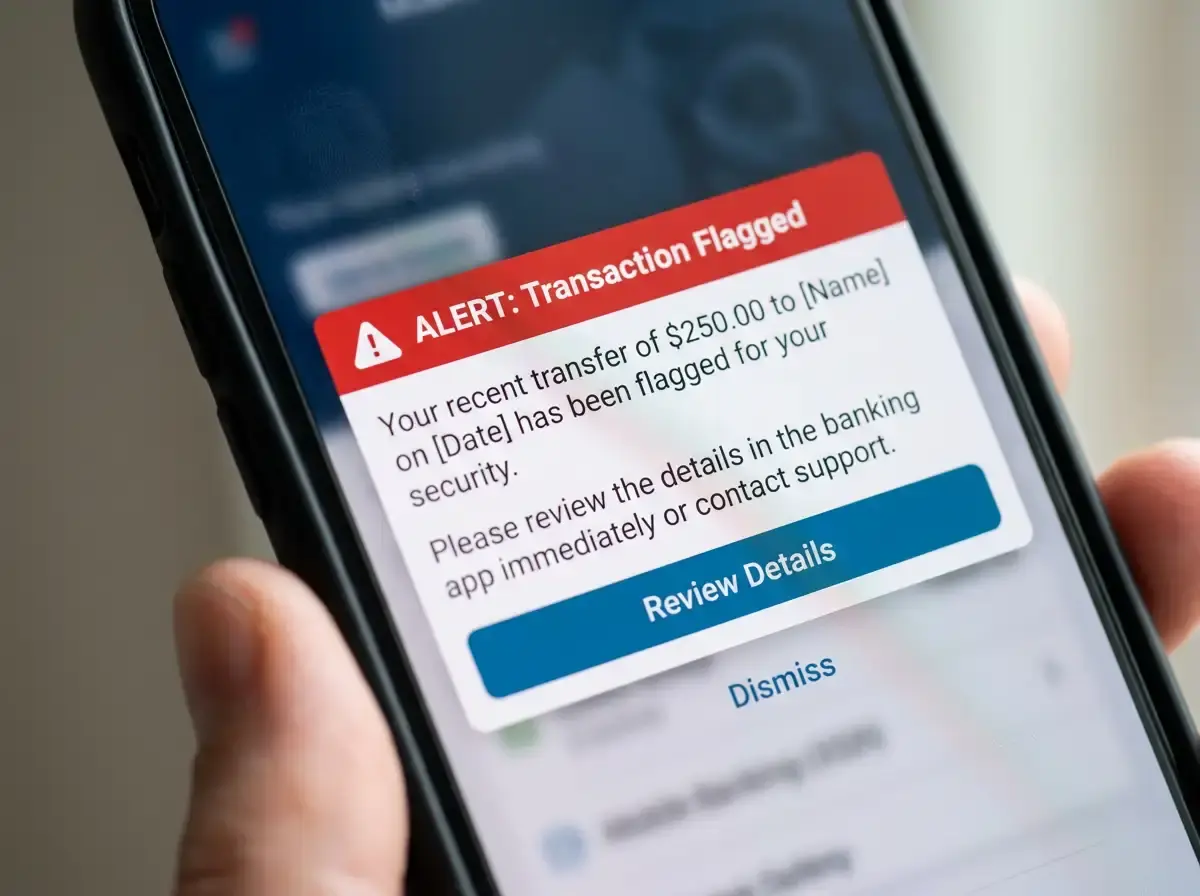
No Australian bank currently maintains a public blanket block on PayID transfers to gambling operators. However, several banks have implemented enhanced monitoring that can create friction. Some patterns I’ve documented through player reports and testing:
Transfers to new payees with large amounts are the most common trigger. A first-time A$3,000 transfer to an unfamiliar account will receive more scrutiny than a A$200 transfer to someone you’ve paid before. Some banks add a brief hold — typically 15 minutes to a few hours — while automated systems verify the transaction. Others surface a confirmation prompt in the app asking you to verify the payment purpose.
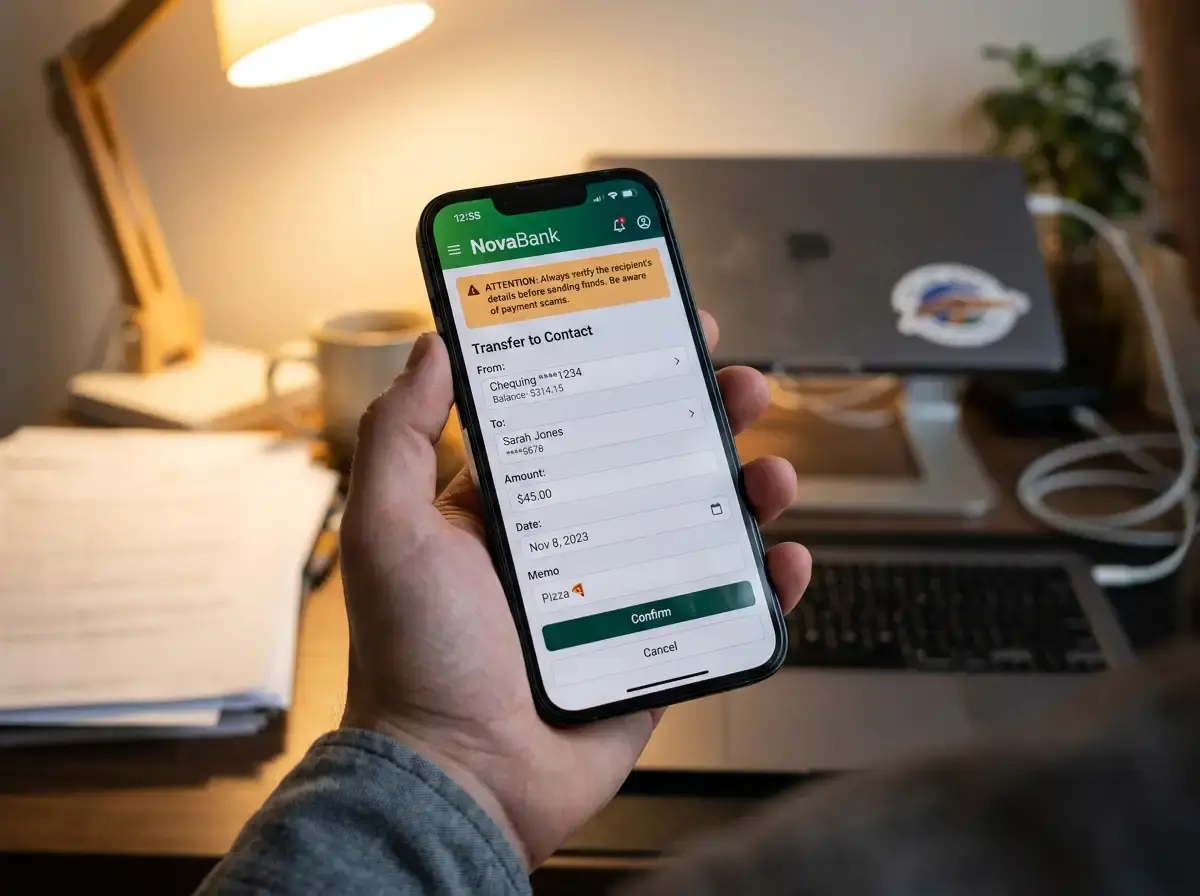
A few smaller institutions have implemented voluntary gambling blocks that customers can enable in their banking app. These self-imposed blocks prevent the account holder from making transfers to known gambling merchants — a responsible gambling feature, not a restriction imposed on all customers. The distinction matters: these are opt-in tools, not mandatory policies.
The trend across the industry is toward more monitoring, not less. Banks are investing heavily in transaction analysis and Confirmation of Payee technology, both of which add protective layers without categorically blocking transfers. For casino deposits via PayID, this means occasional friction but not systematic obstruction. The deposit guide covers troubleshooting strategies for when bank-side monitoring creates unexpected delays.
How to Enable PayID in Each Banking App
The PayID registration process follows a national standard set by Australian Payments Plus, but the exact menu path varies by bank. Every bank requires you to choose an identifier type — your mobile number, email address, or ABN for business accounts — and link it to a specific account.

Across all major banks, the flow is: open your banking app, navigate to the settings or payments section, find the PayID option, select “Register” or “Create PayID,” choose your identifier, confirm with your security method (biometrics, PIN, or SMS code), and you’re done. The entire process takes one to three minutes. Some banks allow multiple PayIDs linked to the same account (for example, both your phone number and email), while others limit you to one per account.
One practical tip from my testing: register your PayID before you need to use it. Some banks impose a cooling-off period of up to 24 hours on newly registered PayIDs before they can be used for outbound transfers. If you create a PayID at 8 PM hoping to make a deposit that evening, you might find the first transfer doesn’t go through until the next day. Register it the day before you plan to use it, and you’ll avoid this entirely.
For players who bank with multiple institutions, consider which account has the highest daily transfer limit and register your primary PayID there. You can only have one PayID per identifier type (one per phone number, one per email), though you can de-register and re-register to move it between accounts if your banking needs change.