

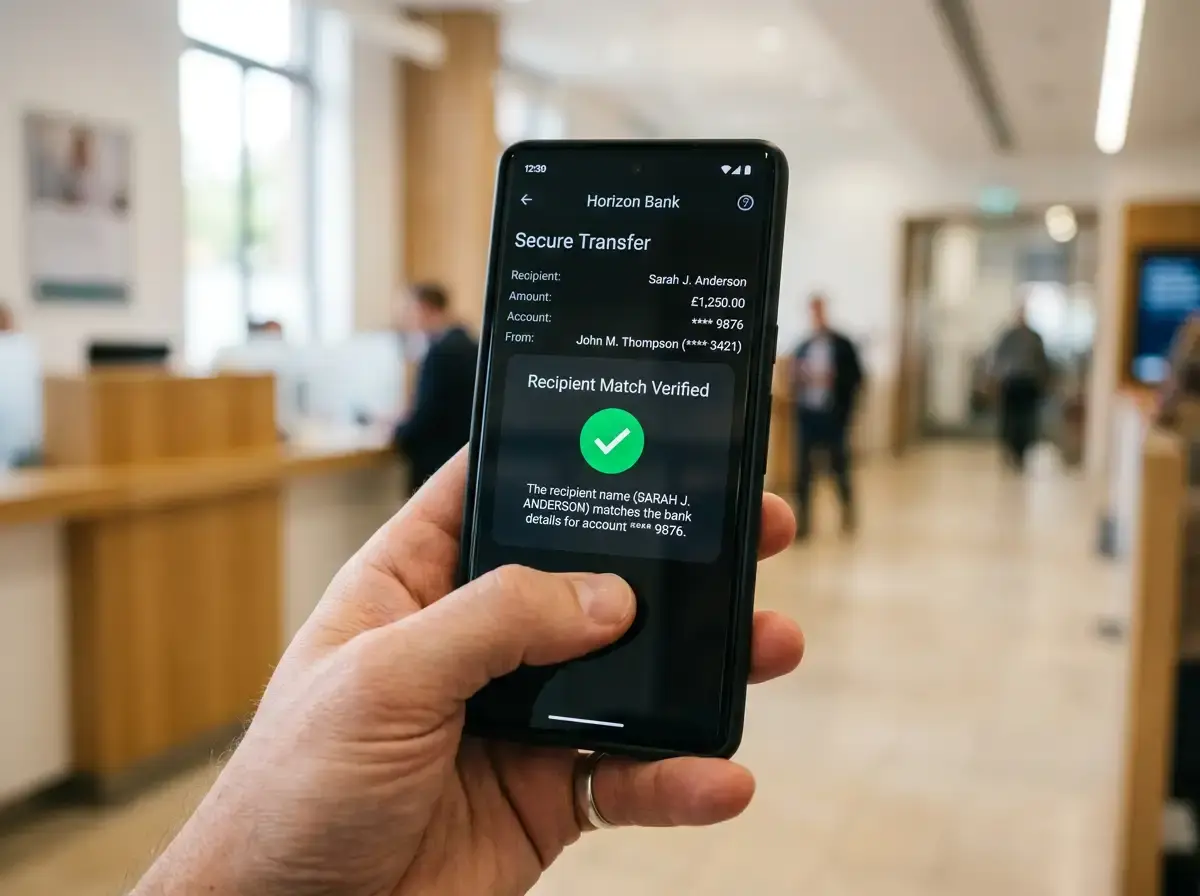
In July 2025, Australian banks switched on a system that changed the mechanics of every PayID transfer in the country. Confirmation of Payee — CoP — adds a name-matching check between the moment you enter a recipient’s details and the moment your money moves. The system has been used more than 100 million times since launch. At one bank alone, more than 450,000 payments were cancelled after the check returned a “no match” result — and over 10,000 of those would-be payments were heading to accounts flagged in the Australian Financial Crimes Exchange database.
For casino deposits, CoP introduces something that didn’t exist before: a real-time verification step that tells you whether the account you’re about to send money to actually belongs to the entity you think it does. In an industry where fake cashier pages and fraudulent deposit addresses are active threats, that’s not a minor addition. This is a technical breakdown of how CoP works, what it means specifically for casino transfers, and where its protections end.
The Technical Flow: What Happens When You Hit “Send”
I remember the first time I tested a CoP-enabled transfer to a casino account. The extra step was barely noticeable — maybe two seconds of additional processing time — but the information it surfaced was genuinely useful. Here’s what happens under the hood.

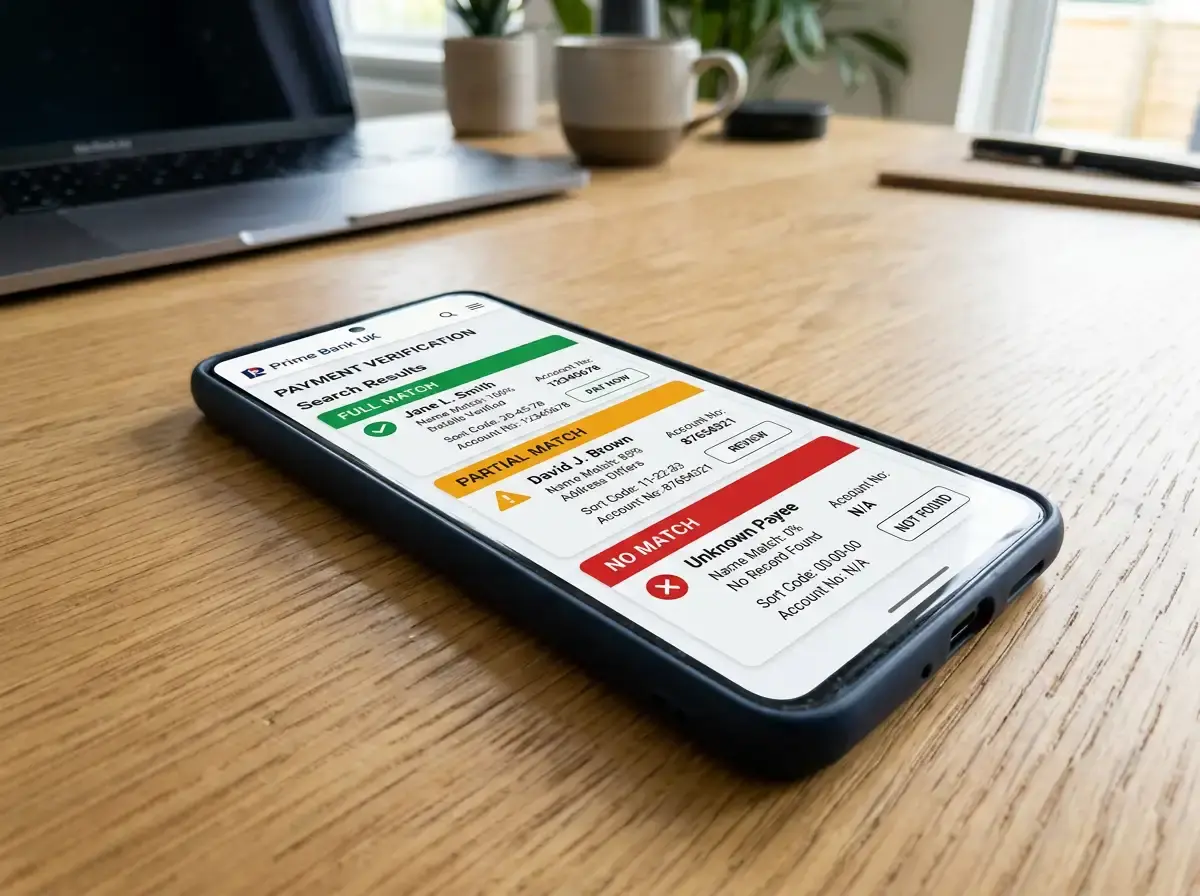
When you initiate a PayID transfer through your banking app, your bank sends a pre-validation request to the recipient’s bank before the payment is submitted. This request includes the recipient name you’ve entered and the PayID or account details you’re sending to. The recipient’s bank checks the name you’ve provided against the name registered to that account and returns one of three results: “match,” “partial match,” or “no match.”
A “match” means the name you entered aligns with the registered account holder. The payment proceeds normally. A “partial match” indicates some overlap but not exact alignment — this might happen if you’ve entered a business trading name but the account is registered under the legal entity name, or if there’s a minor spelling difference. Your banking app will display the actual registered name and ask you to confirm. A “no match” means the name you entered doesn’t correspond to the account holder at all. Your app will warn you clearly and ask whether you want to proceed.
The banking sector invested $100 million in building this technology across all participating institutions. The system runs in real time, adding minimal latency to the transfer process. It’s not an optional feature — every PayID transfer now passes through CoP at participating banks, regardless of the amount or the recipient type. For casino deposits, this means every single transfer is checked before settlement, not just flagged ones.
The architecture is designed to catch two categories of error: honest mistakes (sending to the wrong account due to a typo) and deliberate fraud (sending to a scammer who has impersonated a legitimate entity). One in four PayID users had already stopped or corrected a payment before CoP launched simply because PayID displays the recipient’s name — CoP formalises and strengthens that protection with a structured matching process.
CoP Results When Sending to a Casino Account
Casino deposits produce specific CoP scenarios that are worth understanding before you encounter them in your banking app for the first time. The experience varies depending on how the casino has structured its payment processing.
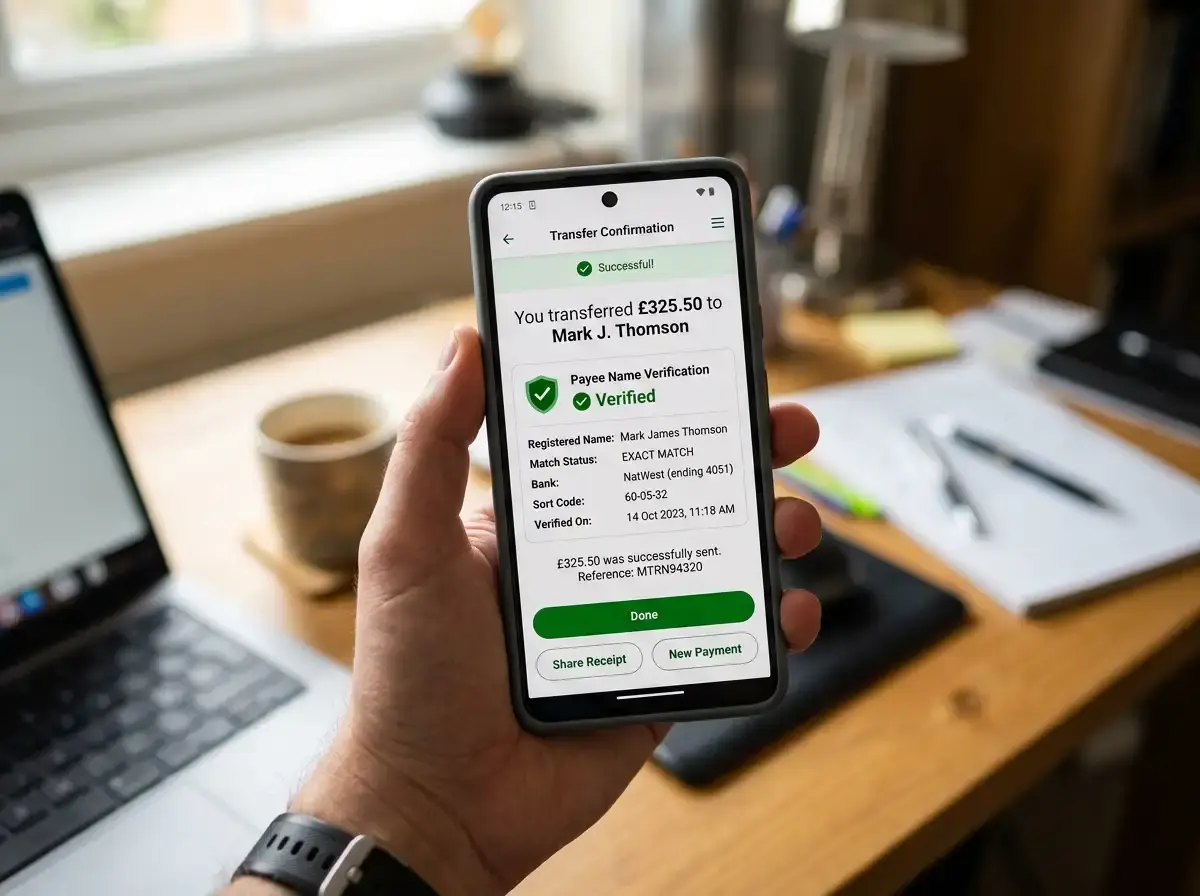
Some casinos operate dedicated corporate bank accounts in Australia that are registered under their trading or legal entity name. When you send to these accounts, CoP will return a match if you’ve entered the correct company name, or a partial match if you’ve used the casino’s brand name while the account is registered under a parent company. For example, a casino operating as “Brand X” might have its Australian receiving account registered under “Gaming Holdings Pty Ltd.” You’d see a partial match with the registered entity name displayed, and you’d need to confirm the transfer.
Other casinos — particularly offshore operators using third-party payment processors — route deposits through intermediary accounts. The CoP result in these cases will reflect the payment processor’s name, not the casino’s name. Seeing an unfamiliar company name in the CoP result doesn’t automatically indicate fraud — it might just mean the casino uses a payment facilitator. But it does mean you should verify independently that the intermediary is the casino’s legitimate payment partner before confirming.
The critical scenario is when CoP returns a “no match” — particularly if the registered name shows an individual’s personal name rather than a business entity. As I cover in the PayID safety analysis, personal accounts receiving casino deposits are a strong indicator of fraud. Legitimate casino operations, even small ones, process payments through business accounts. A personal name appearing in the CoP result for a casino deposit is a clear signal to stop and investigate before confirming.
Impact Data: 450,000 Cancelled Payments at One Bank
The raw numbers from CoP’s first year of operation tell a striking story about how much misdirected money was flowing through the system before name-matching existed.

The headline figure — 450,000 cancelled payments at a single institution after “no match” results — represents transfers that the sender chose not to proceed with once they saw the name discrepancy. Over 10,000 of those cancelled transfers were heading to accounts registered in the Australian Financial Crimes Exchange, a shared intelligence database that tracks accounts linked to financial crime. Anna Bligh, CEO of the Australian Banking Association, described the system as putting Australia among “only a handful of countries to have this technology in place across the entire banking sector.”
What makes these numbers significant for casino players specifically is the intersection of gambling and fraud. The pre-CoP environment allowed scammers to set up PayID accounts under any name and receive transfers from players who had no way to verify the recipient before sending. Now, the gap between “I think I’m sending to Casino X” and “the account is actually registered to an unknown individual” is visible before the money moves. That visibility alone is preventing a meaningful volume of fraud.
The broader impact extends beyond individual scam prevention. CoP creates a systemic deterrent — scammers know that their target will see a name mismatch, which makes PayID-based scam operations harder to execute at scale. The technology doesn’t eliminate fraud, but it raises the cost and reduces the success rate of the most common patterns.
Limitations: When CoP Cannot Protect You
CoP is a powerful tool, but treating it as comprehensive fraud protection is a mistake I see too often. There are specific scenarios where CoP provides no defence, and understanding them is as important as understanding what it catches.

First, CoP cannot protect you from legitimate-looking matches. If a scammer has opened a business bank account under a name that closely resembles a real casino brand, the CoP check will return a match — because the account is genuinely registered under that name. The scammer has simply chosen a confusingly similar business name. This type of “impersonation by registration” is rare (banks perform their own checks when opening business accounts) but not impossible.
Second, CoP only checks names against accounts at participating institutions. If the casino uses an international payment processor with accounts outside the Australian NPP network, the CoP check may not apply or may return limited information. Cross-border transfers sit outside the CoP framework entirely.

Third, CoP protects the sender, not the receiver. If someone gains access to your banking app and initiates a transfer, CoP will display the recipient name to whoever is operating the app — which in a compromise scenario is the attacker, not you. CoP doesn’t add security against unauthorised access to your own accounts.
Fourth, the system depends on you reading and acting on the information it provides. If a “no match” warning appears and you confirm the transfer anyway — perhaps because you’re in a hurry, or because the casino’s customer support told you to ignore it — CoP has done its job and you’ve overridden it. The protection is informational, not prohibitive. You can still send money to a mismatched account if you choose to.