


The transfer left my bank account. I watched the balance decrease in real time. But ten minutes later, the casino showed nothing — no pending deposit, no balance update, no transaction in my account history. That limbo state, where your money has clearly gone somewhere but the intended recipient does not acknowledge it, is the single most stressful experience in online casino banking. I have since learned that nearly every failed PayID casino deposit falls into one of four categories, each with a different cause and a different resolution path.
PayID casino deposits fail far less often than card deposits — the NPP infrastructure is reliable, and the payment chain is shorter. But “rarely fails” is not “never fails,” and when it does happen, knowing whether the problem sits with your bank, the casino’s processor, or the Confirmation of Payee system determines how quickly you get your money back or your balance credited.
Bank-Side Failure Causes: Limits, Blocks, and Outages
I have tracked the most common bank-side failures over two years, and the list is shorter than you might expect. The top cause is daily transfer limits. Every Australian bank sets a default daily limit on outgoing PayID transfers, typically between A$1,000 and A$10,000. If your deposit pushes your cumulative daily PayID outflows past that limit, the transfer is declined at the bank level — it never reaches the casino’s processor. The fix is straightforward: increase your limit through your banking app or internet banking portal. Most banks allow temporary or permanent limit increases with identity verification.
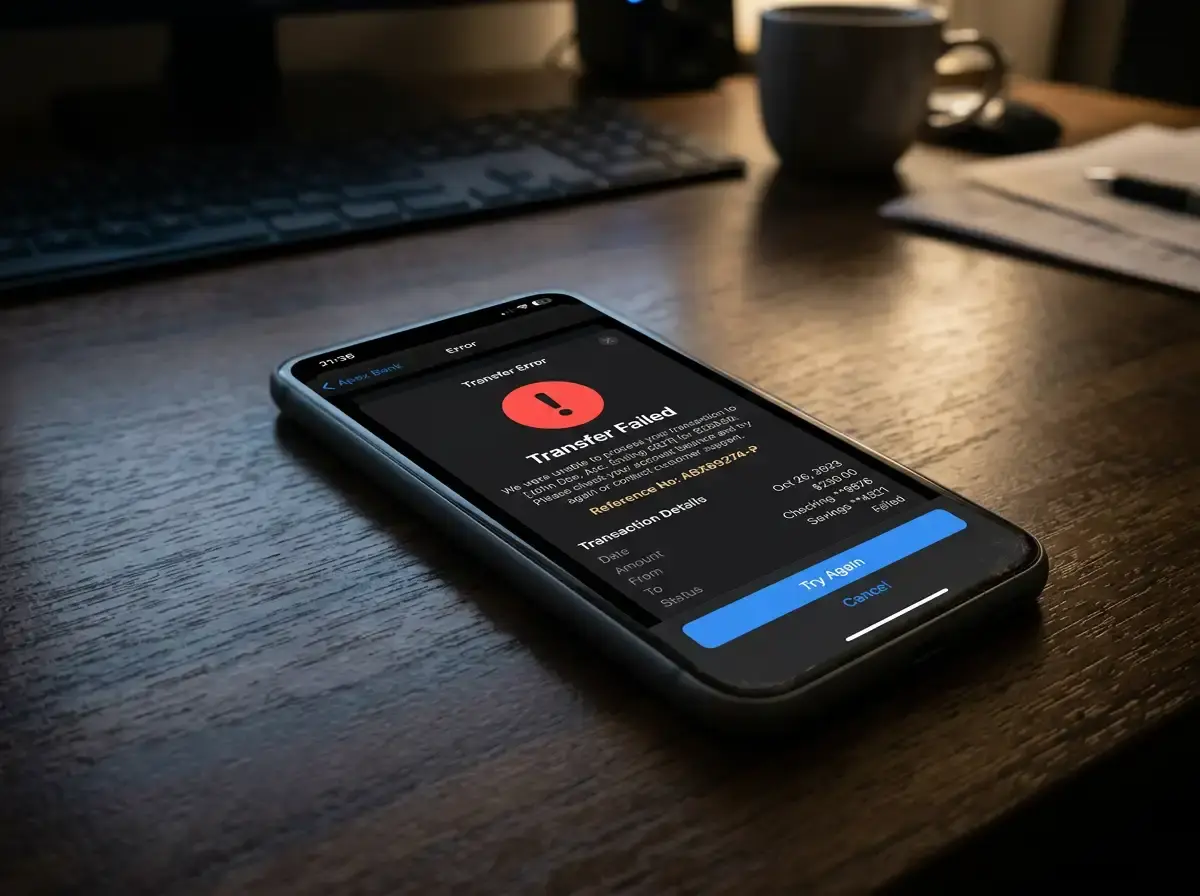
The second cause is gambling-specific blocks. With more than 114 million bank accounts connected to NPP payment sending and receiving, some banks have implemented transaction monitoring that flags transfers to known gambling-related PayIDs. These flags can result in a declined transfer, a temporary hold requiring phone verification, or an outright block that requires you to contact the bank to whitelist gambling transactions. CommBank, NAB, and Westpac have all implemented varying degrees of gambling transaction monitoring, though the specifics change frequently and are not always publicly documented.
NPP outages are the third cause, and the rarest. The NPP infrastructure runs at high availability, but scheduled maintenance windows and occasional unplanned outages do occur. During these windows, PayID transfers across the entire banking system are delayed or declined. These outages are typically short — minutes to a few hours — and affect all NPP users, not just gambling transactions. If your transfer fails and your bank’s app shows a system maintenance notice, the cause is clear: wait and retry.

Insufficient funds — the most obvious cause — is worth mentioning because it manifests differently with PayID than with cards. A card transaction might be partially authorised or declined with a specific insufficient-funds error code. A PayID transfer from an account with insufficient funds is simply declined by the banking app before the transfer is initiated. If you got past the confirmation screen and the money left your account, insufficient funds is not the cause.
Casino-Side Failures: Wrong Details, Maintenance, and Account Issues
One in four PayID users has corrected or stopped a payment after seeing the recipient’s name displayed during the transfer process — a safety feature that prevents misdirected payments. But that feature only works if you check the name before confirming. The most common casino-side failure is a misdirected payment: you copied the wrong PayID from the cashier page, transposed characters in an email address, or used an outdated PayID that the casino no longer operates. The money reaches the wrong recipient — or an invalid PayID returns an error — and the casino’s processor never sees the incoming payment.
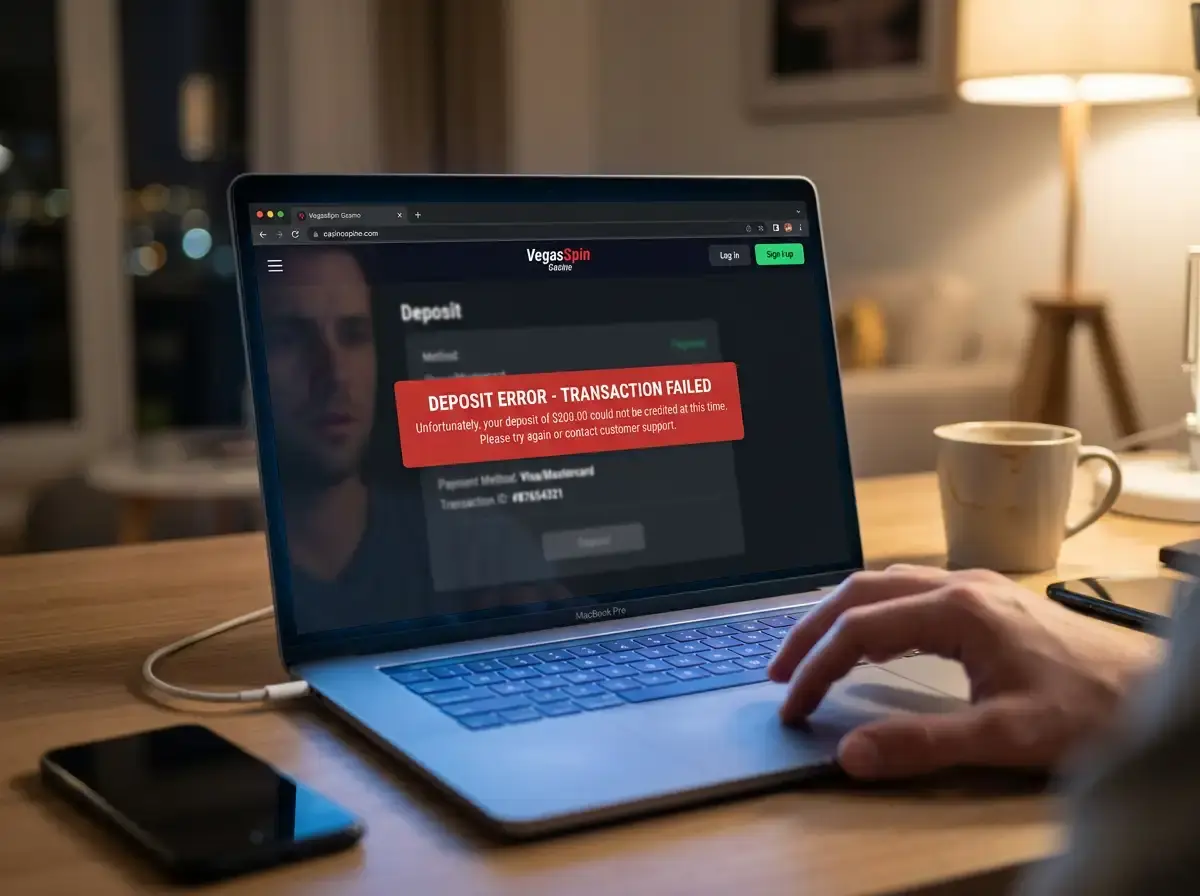
Casino payment processor maintenance creates another failure mode. Offshore casinos use third-party payment processors that hold Australian bank accounts and receive NPP payments on the casino’s behalf. When these processors undergo maintenance, incoming PayID transfers either bounce or land in a holding queue. The money leaves your bank, arrives at the processor’s bank, and sits unprocessed until maintenance concludes. This can create the appearance of a lost payment when the money is actually waiting in the processor’s reconciliation queue.
Account-level issues at the casino — unverified KYC, suspended accounts, exceeded deposit limits — can also cause a deposit to arrive at the processor but not credit to your player balance. In these cases, the processor has received your money but the casino’s system refuses to allocate it to your account. Resolution requires contacting the casino’s support team to address the underlying account issue, after which the deposit is typically credited retroactively.
Confirmation of Payee Mismatch as a Failure Trigger
Confirmation of Payee has been used more than 100 million times since its launch in July 2025, and one bank alone reported over 450,000 cancelled payments after no-match results — with more than 10,000 of those intended for accounts flagged in the Australian Financial Crimes Exchange. The system compares the name you enter (or the name your bank has on file for you) against the name registered to the recipient’s PayID. A mismatch triggers a warning. A severe mismatch can block the transfer entirely.
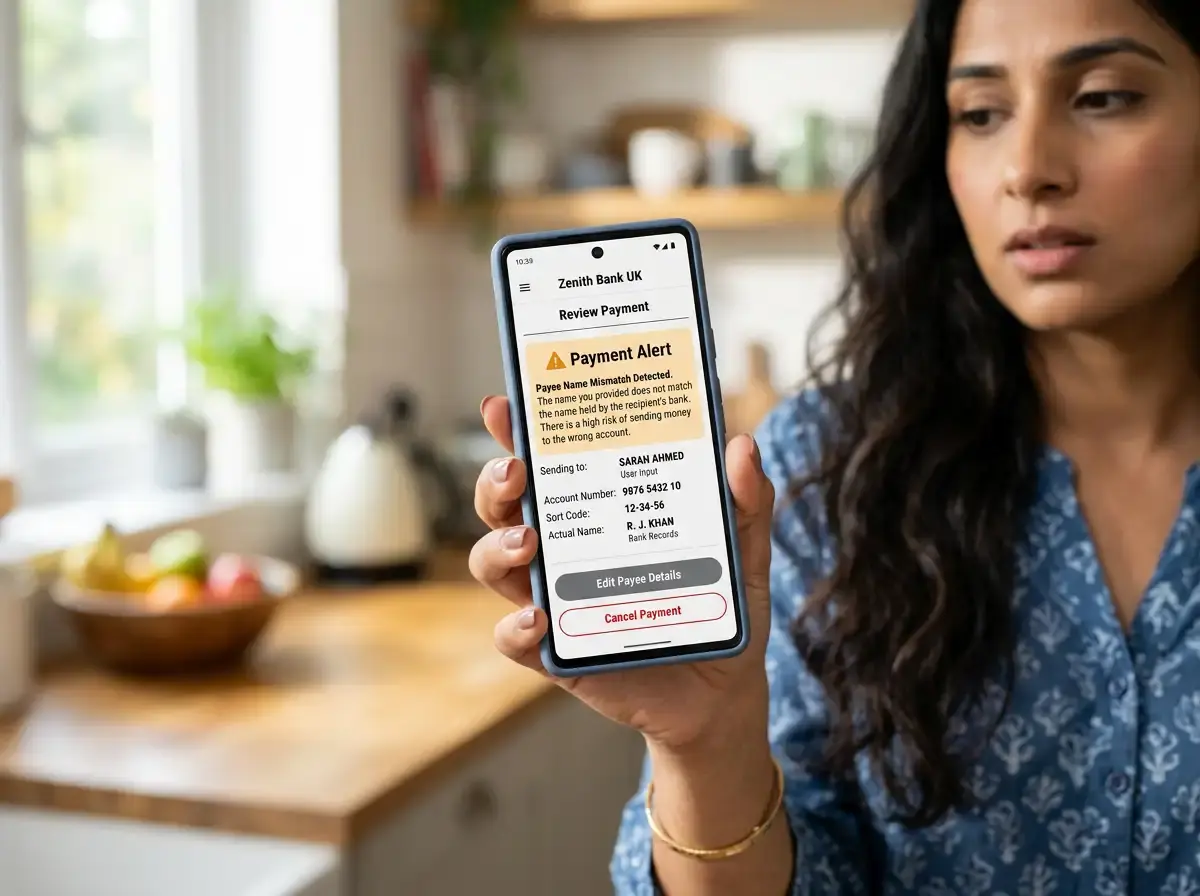
For casino deposits, CoP mismatches typically occur when the casino’s PayID is registered under a corporate name that does not match the description in the cashier. You expect to be paying “Casino Name” but the CoP check returns “Payment Processing Ltd” or a similar corporate entity. If you cancel the transfer due to the unexpected name, the deposit fails — correctly, from a safety perspective, but frustratingly if you know the recipient is legitimate. Checking the casino’s FAQ or support page for the expected recipient name before your first deposit prevents this specific failure.
The reverse scenario — where CoP flags your outgoing transfer because your bank name does not match the casino’s expected sender name — is less common but does occur at casinos that pre-register expected depositors. If the casino expects a deposit from “John Smith” but your bank account is registered to “Jonathan Smith,” the mismatch can delay or reject the Confirmation of Payee check on the receiving end.
Step-by-Step Resolution Checklist
When a PayID casino deposit fails or goes missing, work through these steps in order. First, check your banking app’s transaction history. If the transfer shows as “completed” or “sent,” the money left your account and the issue is on the receiving end. If it shows as “failed” or “declined,” the issue is on your bank’s side — check your daily limit, account balance, and whether a gambling block is active.
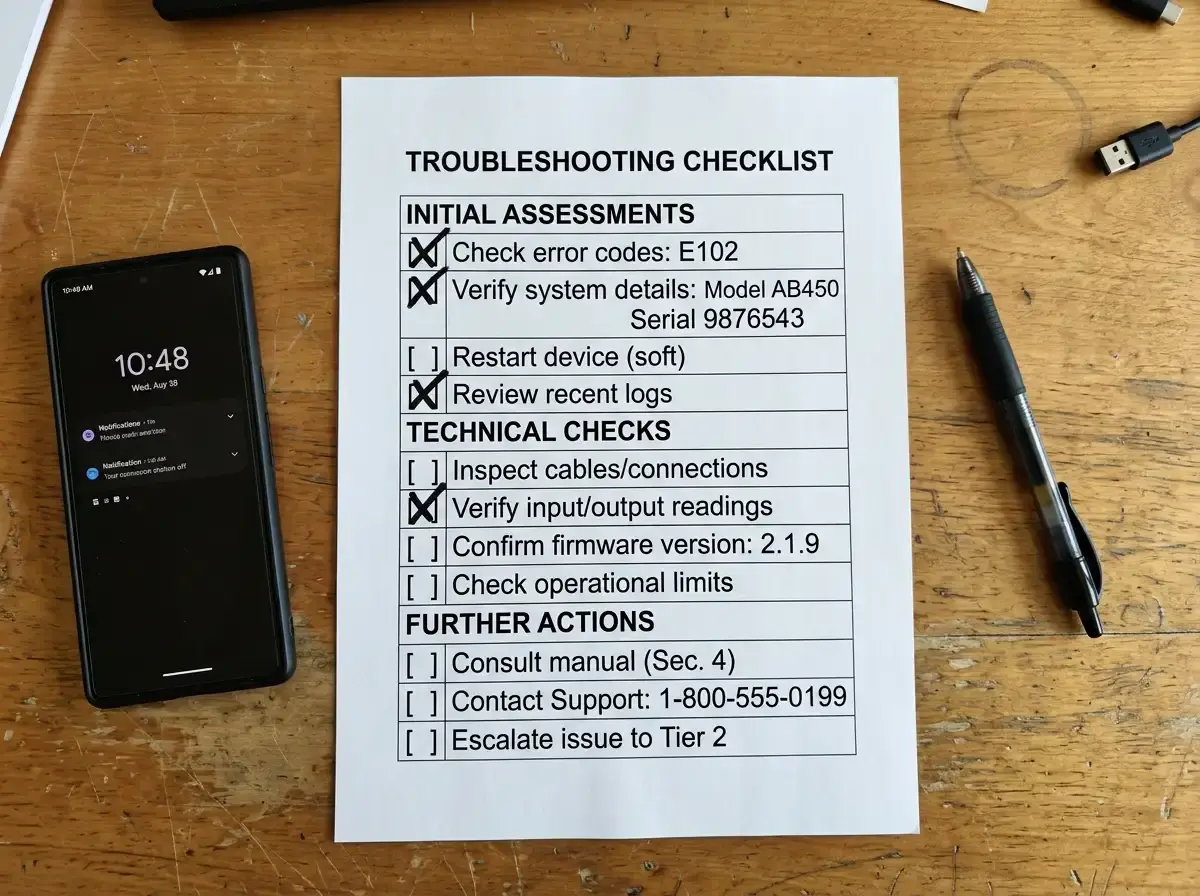
Second, verify the PayID you sent to. Open the casino’s cashier page and compare the PayID identifier character by character with the one you used. A single-character typo in an email address sends money to the wrong place. If you sent to the wrong PayID, contact your bank immediately — they can initiate a misdirected payment recovery process, though success is not guaranteed.
Third, wait 15 minutes. Payment processor reconciliation delays of 5 to 15 minutes are common and do not indicate a failure. If the deposit has not appeared after 15 minutes, move to step four.

Fourth, contact the casino’s live chat or email support with your transaction reference number (available in your banking app), the exact amount, and the timestamp. The support team can check with their processor whether the payment was received and where it sits in the reconciliation queue. If the casino confirms they have not received the payment, provide the transaction reference to your bank and ask them to trace the NPP transfer.
Most failed deposits resolve within 24 to 48 hours through this process. If the payment was misdirected to an incorrect PayID, recovery depends on the cooperation of the unintended recipient and the banks involved, which can take weeks. Prevention — double-checking the PayID before confirming — is far simpler than recovery after a misdirected payment.