

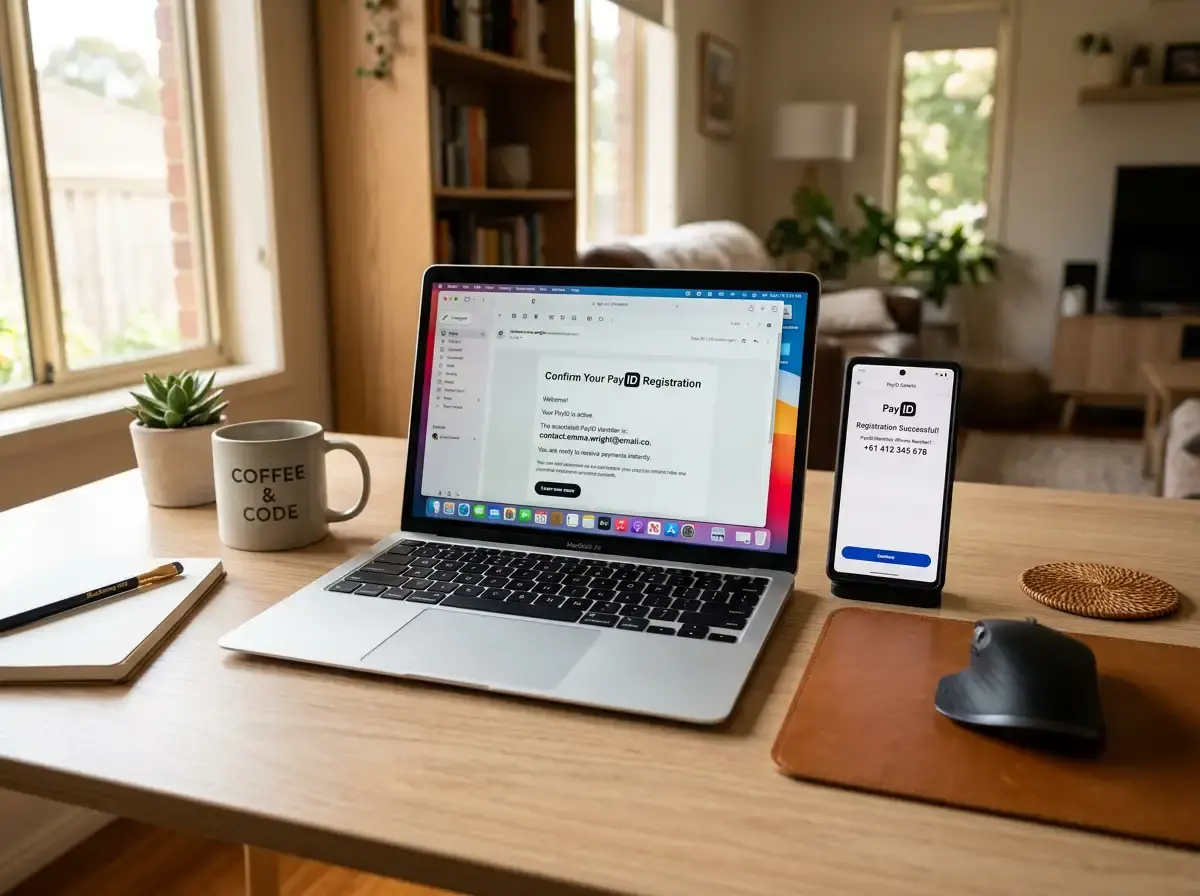
When I set up my first PayID back in 2019, the banking app asked me to choose: email address or mobile phone number. I picked my phone number without thinking about it — it was shorter, easier to remember, and the default option at my bank. Five years later, after switching banks twice and dealing with a SIM swap that temporarily locked me out of my PayID, I switched to email and have not looked back. The choice between these two identifiers seems trivial until it causes a problem, and for casino deposits specifically, the practical differences are more significant than most players realise.
With more than 18.5 million registered PayIDs in Australia — forecasts suggest over 27 million by end of 2025, and alternative data points to more than 25 million as of April 2025 — both identifier types are widely used. But the split is not 50/50, and the reasons players choose one over the other reveal different priorities around privacy, convenience, and long-term account management.
Email PayID: Privacy Benefits and Drawbacks
I switched to email after a conversation with a casino’s payment processor who mentioned that phone-number PayIDs are easier to cross-reference with marketing databases. That comment stuck with me. An email address used exclusively for PayID casino deposits can be a throwaway — a dedicated Gmail or Outlook address that you do not use for anything else. Your phone number, by contrast, is linked to your identity across dozens of services, from social media to two-factor authentication. Sharing it with a casino’s payment system creates an additional data point that connects your gambling activity to your broader digital footprint.
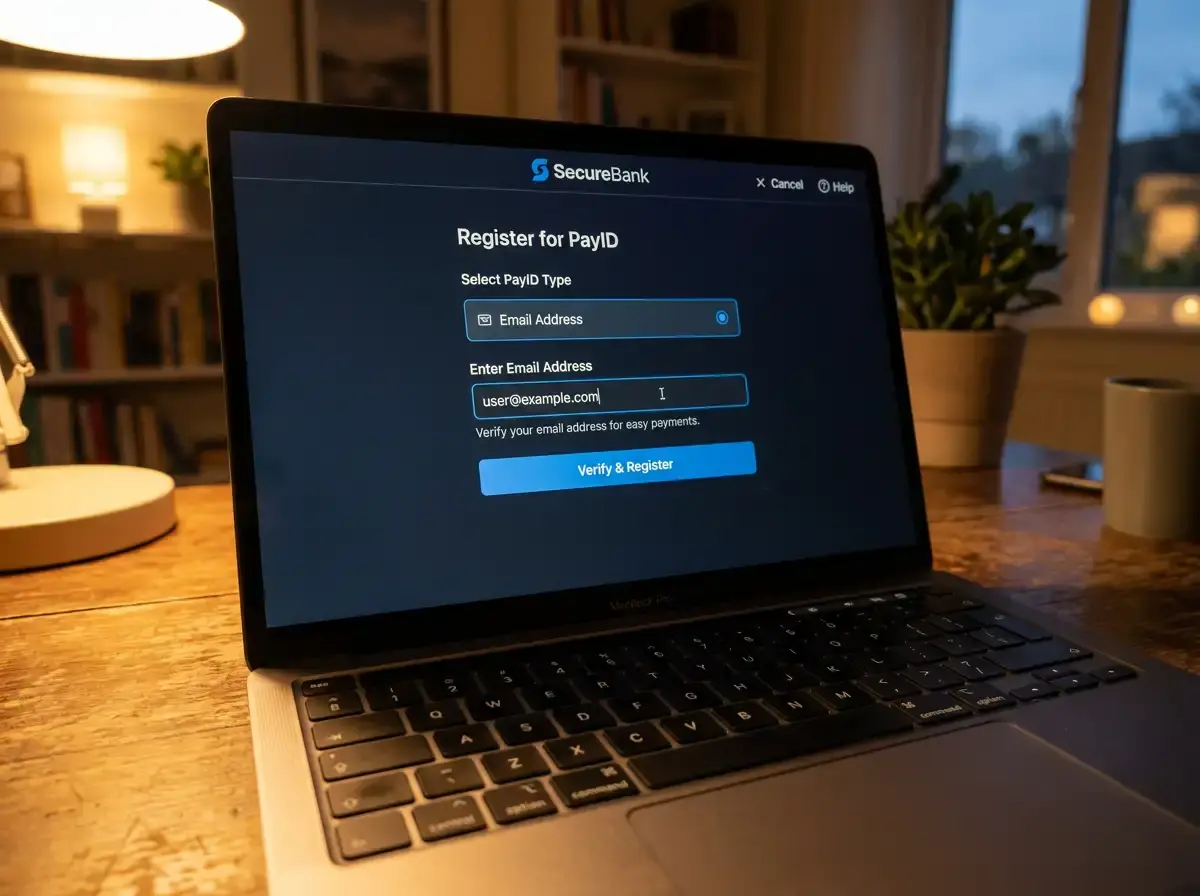
The privacy advantage of email is straightforward: you control the exposure. A dedicated email address for casino deposits is compartmentalised by design. If the casino’s payment processor is compromised or sells data, the exposed information is an email you can abandon rather than a phone number tied to your primary communications. This is not paranoia — data breaches at payment processors are not uncommon, and the gambling sector has experienced several in recent years.
The drawback of email PayID is discoverability. When someone sends you money via PayID, they can look up your PayID by entering your identifier. An email address is slightly less guessable than a phone number, which adds a marginal layer of protection against unsolicited incoming payments. But this advantage is negligible in the casino deposit context, where you are sending money to the casino rather than receiving it. The more relevant drawback is that some players forget which email they registered — especially if they used a dedicated address — and password recovery for a throwaway email account can be frustrating.
Phone Number PayID: Convenience and Portability
Phone-number PayIDs win on convenience. Your mobile number is something you know by heart and carry with you — there is nothing to remember or look up. When a casino’s cashier page asks for your PayID identifier for incoming payments, reciting your phone number is faster and less error-prone than typing an email address, particularly on mobile devices where autocorrect can mangle an email domain.
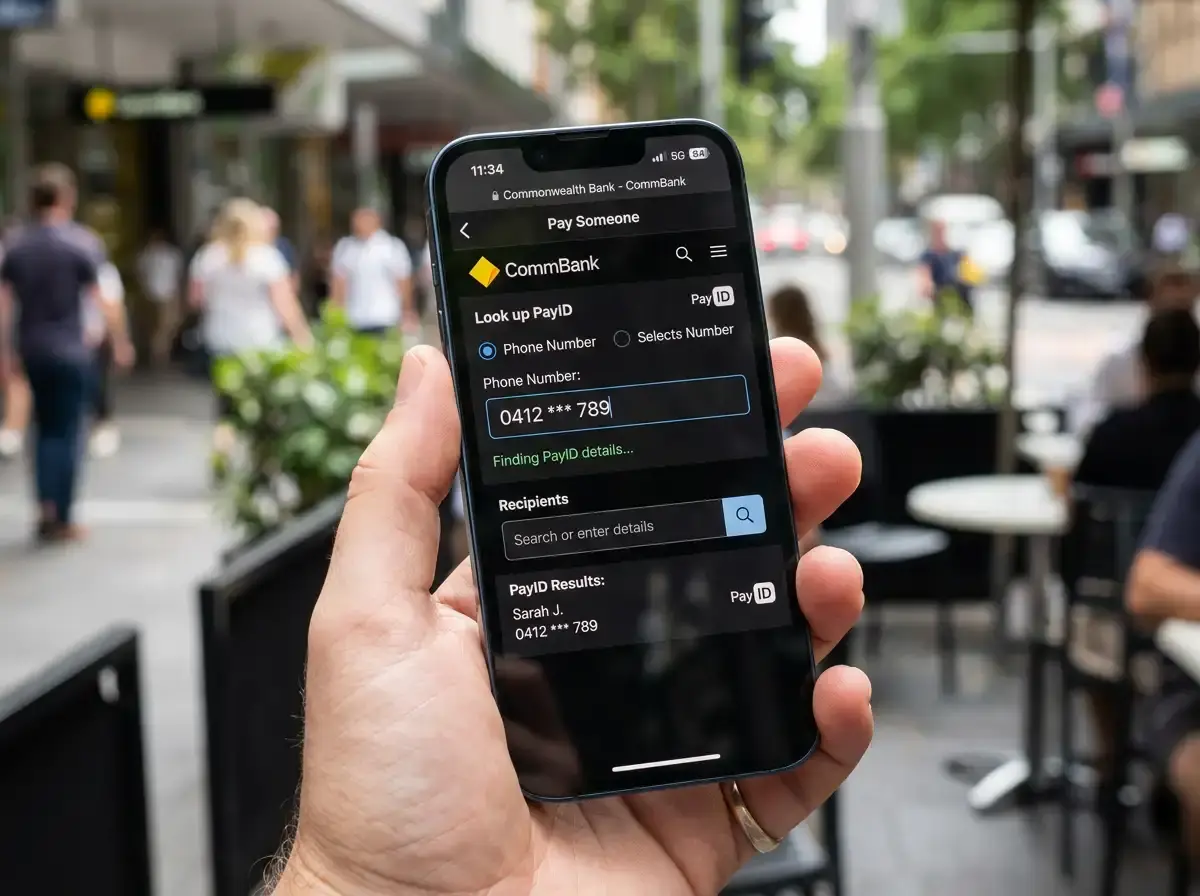
Portability is where phone numbers get complicated. If you switch mobile carriers and keep your number (number portability is standard in Australia), your PayID remains valid. But if you change your phone number — whether by choice or due to a SIM swap incident — your PayID breaks. The old number no longer routes to your bank account, and any casino that has your old PayID on file for refunds or manual payments will send money to a dead identifier. Updating your PayID at the bank is straightforward, but updating it at every casino where it is recorded as your deposit identifier is a manual process that most players forget about.
SIM swap fraud — where a scammer convinces your carrier to transfer your phone number to a new SIM — is a known risk vector. While a SIM swap does not directly compromise your PayID (the attacker would also need access to your banking app), it can disrupt your ability to receive SMS verification codes that some banks use as an additional authentication step for PayID transfers. Email-based PayIDs are immune to SIM swap disruption because they do not depend on mobile carrier security.
What Most Casino Cashier Systems Expect
I tested the cashier interfaces at a dozen offshore casinos accepting PayID from Australians, and the format expectations varied. Most cashiers accept both email and phone-number PayIDs interchangeably — you enter the casino’s PayID (not yours) when depositing, and the format is whatever the casino has registered. For deposits, the identifier type that matters is the casino’s, not yours. Your PayID type becomes relevant only when the casino needs to send money back to you — refunds, manual withdrawals, or promotional credits — and at that point, the casino needs your PayID identifier on file.

Some casinos store your PayID during the KYC process and use it to verify that incoming deposits match the registered account holder. In these cases, an email PayID must match the email address in your casino profile, and a phone PayID must match your registered phone number. Discrepancies can trigger a manual review that delays your deposit. If you register at a casino with your email address but deposit from a phone-number PayID, the mismatch might flag your transaction even though both identifiers point to the same bank account.
The practical advice: use the same identifier type consistently. If you registered your casino account with your email, use an email PayID. If you registered with your phone number, use a phone PayID. Consistency between your casino profile and your PayID type minimises the chance of identity verification friction that delays deposits or withdrawals.
How to Switch Your PayID Identifier Between Banks
Switching your PayID from phone to email — or vice versa — is a two-step process that takes about five minutes. First, deregister your current PayID in your banking app. This removes the association between your identifier and your bank account. Second, register a new PayID with your preferred identifier type. The new registration is typically active within seconds. More than 25 million PayIDs are registered across the Australian banking system, and the infrastructure handles identifier changes routinely.
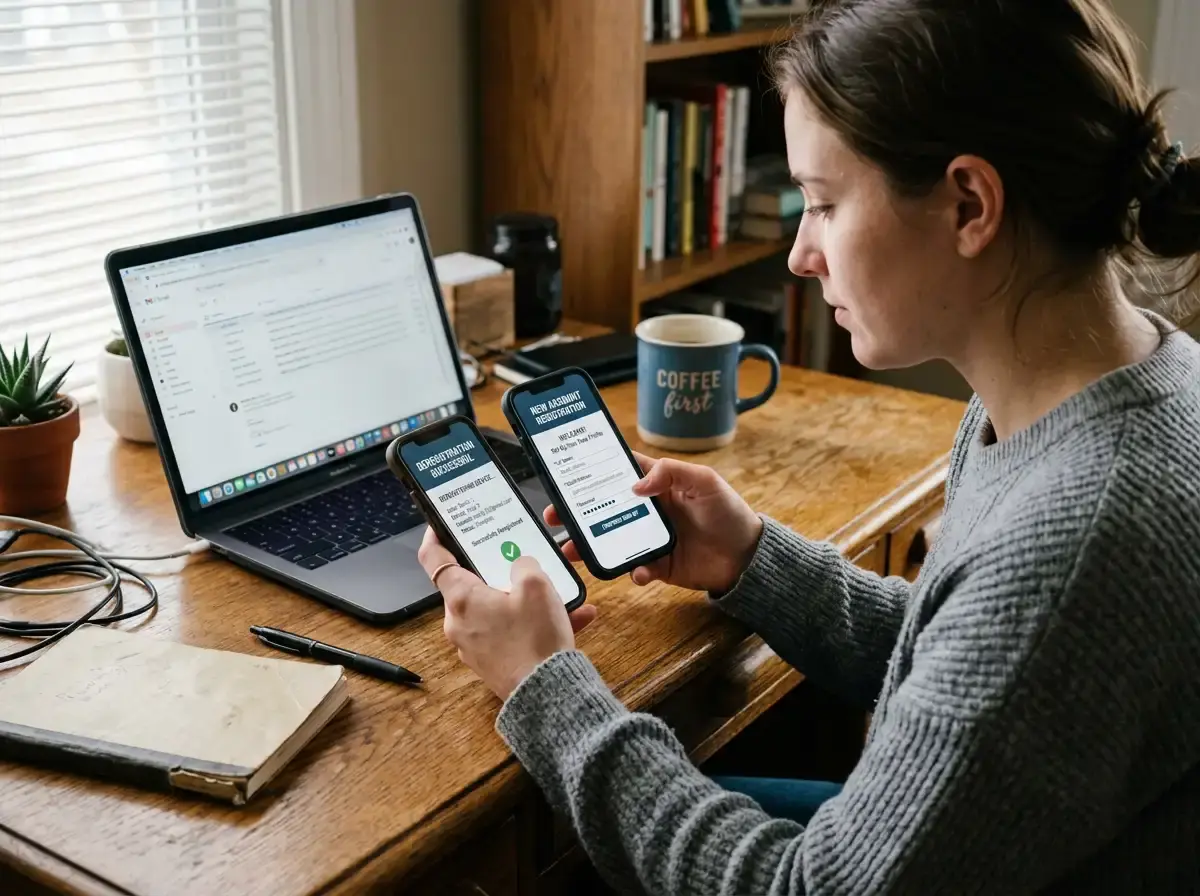
If you are switching banks entirely, the process is similar but has a timing wrinkle. You must deregister your PayID at the old bank before registering it at the new bank. An identifier can only be linked to one bank account at a time. If you forget to deregister at the old bank before closing the account, the PayID can get stuck in a limbo state that requires your old bank’s customer service to resolve — a process I experienced firsthand and do not recommend.
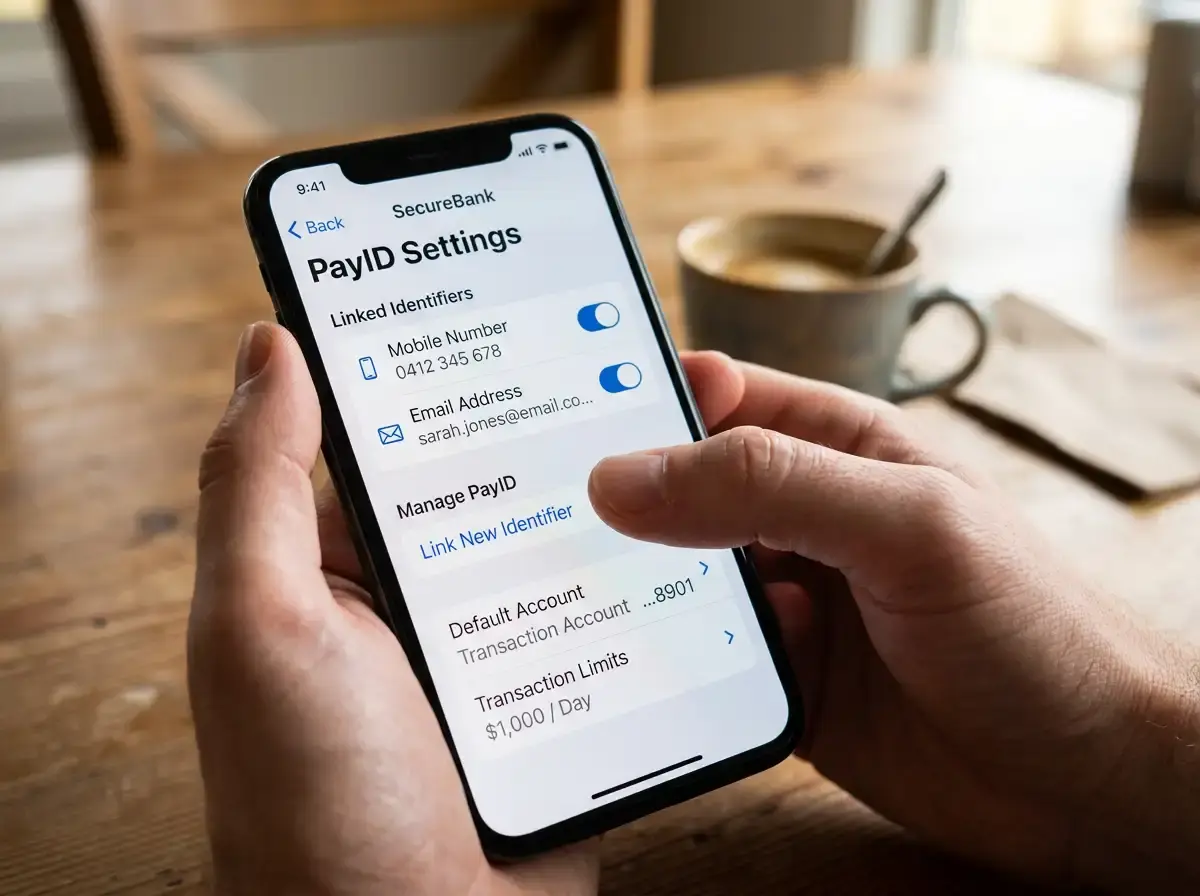
You can also maintain two PayIDs simultaneously — one email and one phone — linked to different bank accounts. This is useful for players who want to compartmentalise their gambling deposits. Register an email PayID on a dedicated gambling account and keep your phone PayID on your primary everyday account. The separation creates a natural spending boundary and simplifies transaction tracking for both budgeting and tax record-keeping purposes.
Choosing the Right Identifier for Your Situation
The choice reduces to a priority question. If privacy and data compartmentalisation matter most — and for gambling transactions, there are good reasons they should — email is the stronger choice. If convenience and memorability matter most, phone wins. For players who deposit frequently and value both, maintaining two PayIDs on separate accounts is the best-of-both approach, though it requires the discipline of using the correct account each time you deposit.