


The first time I sat down at a live blackjack table online, I ran out of chips mid-shoe and needed to top up. With a card deposit, that would have meant a five-minute wait while the transaction processed — an eternity when the dealer is staring at an empty seat. I switched to PayID for the reload, and the funds landed in my balance before the next hand was dealt. That experience changed how I think about live dealer play entirely. When the game moves in real time, your deposit method needs to keep pace.
Live dealer games represent the fastest-growing segment at offshore casinos targeting Australian players. They combine the convenience of online play with the social and visual elements of a physical casino — a real human dealing real cards on a real table, streamed to your screen. The deposit method matters more here than in any other casino format because the games do not pause. Your bankroll needs to be funded before you sit down, and top-ups need to happen between hands, not between sessions.
Live Dealer Game Types at PayID Casinos
I catalogued the live dealer offerings at eight offshore casinos accepting Australian PayID deposits in early 2026. The overlap was substantial — most source their live games from the same handful of providers — but the breadth surprised me. Blackjack in multiple variants (classic, infinite, speed), roulette (European, American, lightning), baccarat (standard, squeeze, no-commission), and game shows (Dream Catcher, Crazy Time, Monopoly Live) appeared at every casino I checked. Some also offered live poker, sic bo, and craps, though these were less consistently available.

The Australian online gambling market, valued at USD 5.5 billion in 2025 with projections reaching USD 9 billion by 2034, drives sufficient volume for providers to maintain dedicated tables during Australian peak hours. Evolution Gaming and Pragmatic Play dominate the provider landscape, with their studios running tables around the clock. During Australian evening hours — roughly 6pm to midnight AEST — table availability and seat counts are at their highest.
Game selection does not vary based on deposit method. A PayID player and a debit card player see the same live dealer lobby. The difference is operational: the PayID player who needs to top up between rounds can do so in seconds, while the card player waits minutes. That speed differential matters most in high-variance games where bankroll fluctuations are sharp and the window between needing funds and losing your seat is narrow.

The Speed Advantage at Live Tables
I timed a PayID top-up during a live baccarat session last month. From the moment I clicked “deposit” in the cashier to the moment the new balance appeared: 22 seconds. That included switching to my banking app, confirming the transfer, and switching back. For context, a baccarat round takes roughly 45 to 60 seconds. I missed one hand. With a card deposit that typically takes two to four minutes to process, I would have missed three to five hands — and at some tables, my seat would have been released.

NPP processes 155 million transactions monthly across the Australian banking system. The real-time settlement that handles salary payments and utility bills is the same infrastructure settling your A$100 top-up at a live blackjack table. There is no separate processing queue for gambling transactions, no additional verification delay. The transfer settles in the same sub-second window as any other NPP payment.
Live game show formats benefit from the speed advantage differently. Games like Crazy Time or Dream Catcher run on fixed spin intervals — typically every 30 to 60 seconds — and you can bet on the next spin as long as the betting window is open. A fast PayID deposit lets you jump into the action mid-session without waiting for a new “round” the way card games require. You deposit, the balance updates, and you place your bet on the next spin within the same minute.
Table Limits and Bankroll Considerations
Table limits at live dealer casinos span a wide range, and understanding them before depositing prevents the frustration of sitting at a table you cannot afford or one that does not accommodate your preferred bet size. Minimum bets at standard live blackjack tables typically start at A$5 to A$10. Premium or VIP tables push minimums to A$25 or A$50. Maximum bets range from A$5,000 at standard tables to A$50,000 or more at high-roller tables — though the upper limits are rarely relevant for anyone outside dedicated high-roller accounts.

Live roulette minimums tend to be lower — A$0.50 to A$2 for outside bets — because the game accommodates many players simultaneously. Baccarat mirrors blackjack in its limit structure. Game shows vary widely, with some allowing bets from A$0.10 per round.
For bankroll planning, I use a simple heuristic: deposit at least 30 times the minimum bet to ensure a viable session. At a A$10 minimum blackjack table, that means a A$300 deposit. At a A$1 roulette table, A$30 covers it. The heuristic accounts for normal variance without being overly conservative. If you deposit less, you risk busting out in a short cold streak and needing an immediate top-up — which PayID handles quickly, but which still interrupts your gameplay and decision-making flow.
Software Providers Behind the Stream
Knowing which provider powers the live tables matters because it determines stream quality, interface design, and feature availability. Evolution Gaming operates the largest network of live studios globally, with tables streamed from Latvia, Malta, Georgia, and Canada. Their interface is clean and mobile-responsive, with side-bet options and a comprehensive bet history. Pragmatic Play’s live offering is growing quickly, with tables that tend to have slightly lower minimum bets and a more casual visual style.
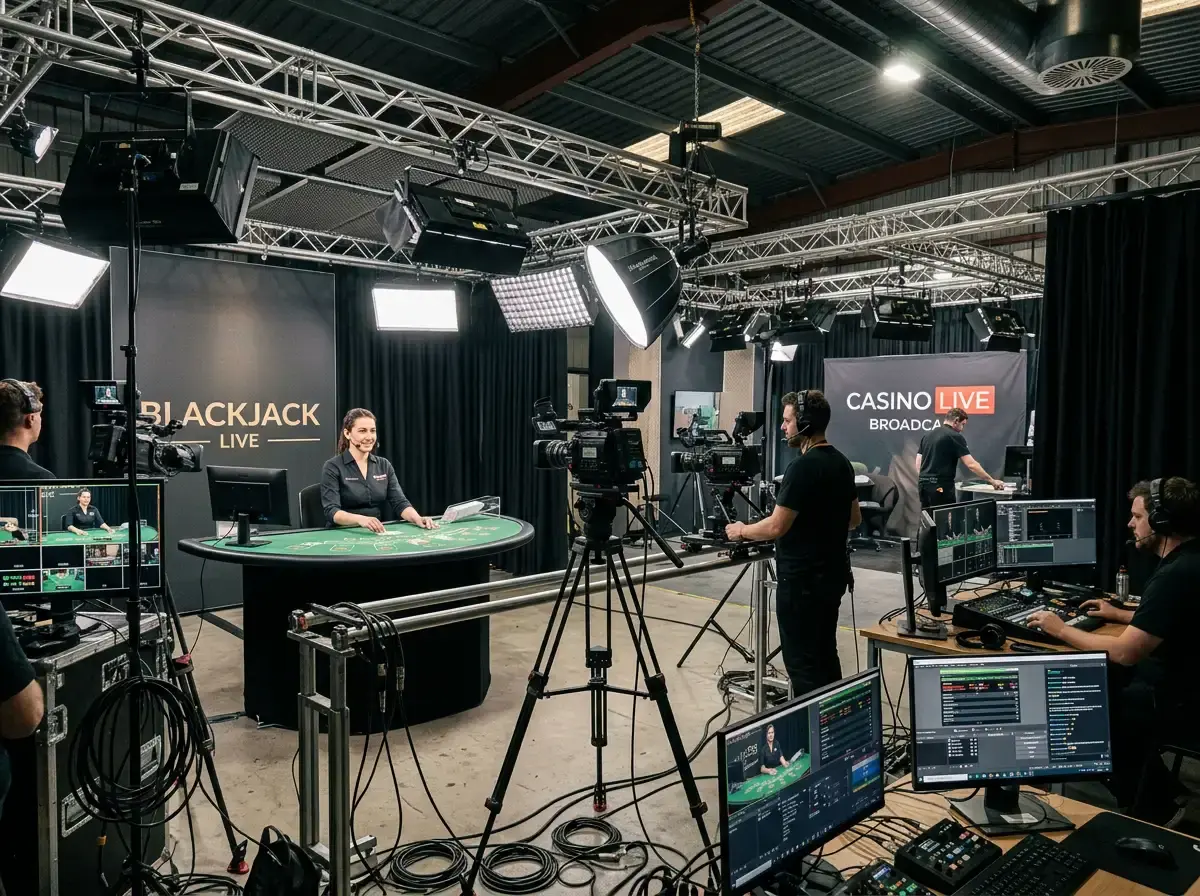
Ezugi, Vivo Gaming, and SA Gaming fill niche positions at some offshore casinos, offering baccarat-heavy lobbies that cater to Asian market preferences. Australian players encounter these providers less frequently, but they appear at casinos with broader international player bases. The key quality indicator across providers is stream latency — the delay between the action on the table and what you see on screen. Premium providers maintain latency under two seconds. Budget providers may show three to five seconds of delay, which affects the pace of play and the reliability of time-sensitive decisions.
None of these providers differentiate by deposit method. Your PayID deposit grants access to exactly the same tables, the same dealers, and the same game variants as any other funding source. The provider layer is invisible to your payment method. What differs is how quickly you are seated and funded — and that is where PayID’s speed becomes the competitive edge in a real-time gaming environment.