


Last March, a reader forwarded me an Instagram ad for a casino that promised 200% deposit bonuses with instant PayID withdrawals. The branding was slick — professional logo, polished screenshots, even a fabricated “licence number” in the footer. I traced the PayID recipient account through public records and found it linked to an individual’s personal bank account, not a registered business entity. The entire operation was designed to collect deposits through PayID’s fast, irreversible transfer system and disappear. That A$45 million lost to purchase and sale scams in Australia during 2023 included schemes exactly like this one, and PayID-specific fraud accounted for at least $260,000 in documented losses.
PayID’s speed is its greatest feature and its greatest vulnerability in the hands of scammers. The same instant settlement that makes it ideal for legitimate casino deposits also means your money is gone the moment you confirm the transfer. Understanding the specific scam patterns that target casino players is the first step in protecting yourself — and it doesn’t require paranoia, just awareness of what to look for.
Three Common PayID Casino Scam Patterns
After tracking fraud reports for two years, I’ve identified three distinct scam patterns that target Australian players specifically through PayID casino channels. Each exploits a different vulnerability, and each has telltale markers that give it away if you know where to look.

The first is the fake casino — a purpose-built website designed to mimic a legitimate operator. These sites invest in professional design, feature realistic-looking game thumbnails (often scraped from real providers), and list PayID as a deposit method. The deposit goes through, the funds land in the scammer’s account, and the “casino balance” displayed on screen is just a number in a database with no connection to real funds. The giveaway: the PayID recipient name won’t match the casino’s registered business name. If you’re sending money to “PayID Casino” but the recipient confirmation shows “John Smith” or a different company entirely, stop. That mismatch is the single most reliable fraud indicator. Scamwatch data shows online contact methods were responsible for $122 million in losses across the first nine months of 2025, and fake gambling platforms represent a growing share of that figure.
The second pattern is the bonus advance scam. You’re contacted — via email, text, or social media DM — by someone claiming to represent a casino. They tell you that you’ve won a bonus or been selected for a VIP promotion, but you need to make a “verification deposit” via PayID to unlock it. There is no bonus. The deposit goes to a personal account controlled by the scammer. The marker here is unsolicited contact: legitimate casinos don’t reach out to ask you to deposit via PayID through unofficial channels.
The third is the overpayment scam, adapted from marketplace fraud into the casino context. A supposed “casino agent” or “withdrawal processor” sends you a small PayID payment and then contacts you claiming it was sent in error, asking you to return a larger amount. The original payment was made with stolen bank credentials, and by “returning” the funds, you’re laundering money from a compromised account into the scammer’s clean one. This scheme exploits the PayID name-display feature in reverse — you see a payment from what appears to be a legitimate entity, which builds false trust.
Spotting Fake Casino Cashier Pages
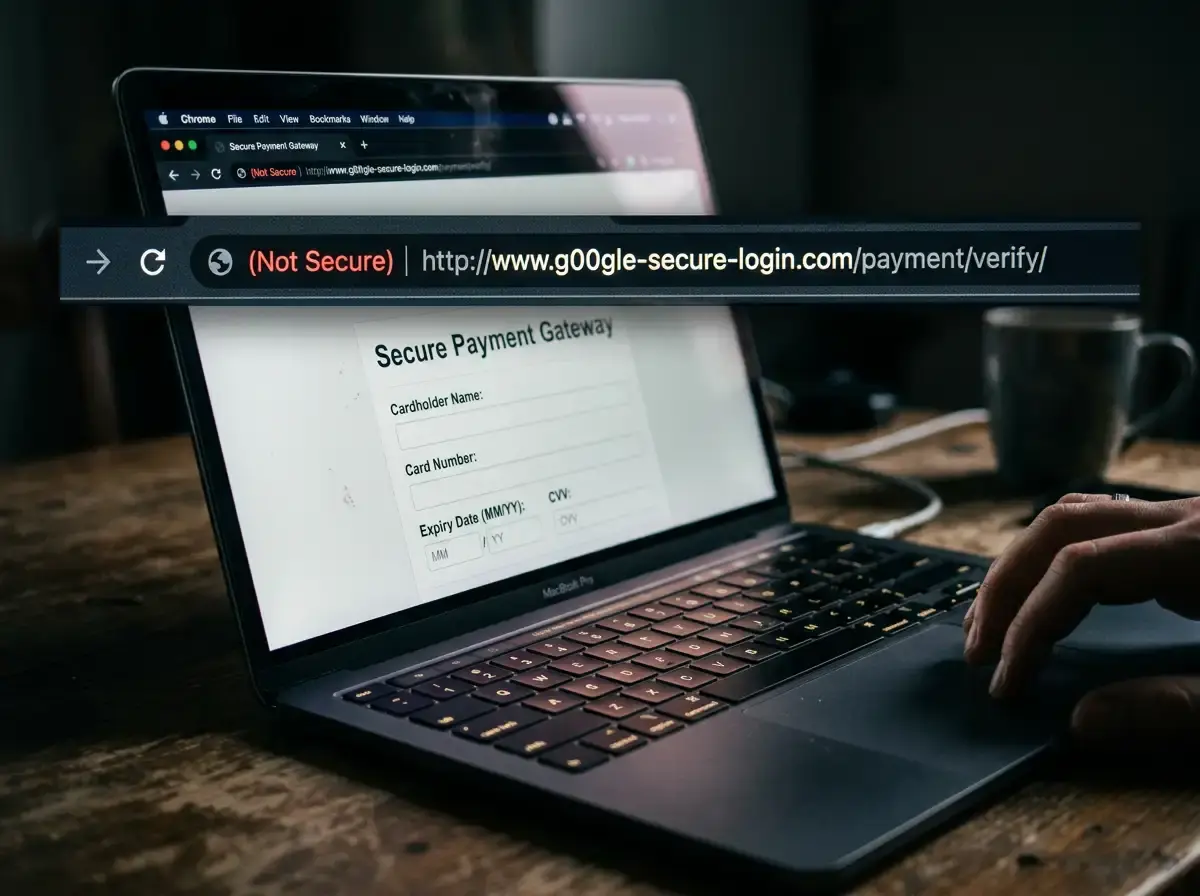
Even at seemingly legitimate casinos, the cashier page is the most security-sensitive part of the experience — and the most frequently spoofed by sophisticated scam operations. I’ve seen fake cashier pages that were pixel-perfect replicas of real casino interfaces, complete with functioning dropdown menus and loading animations. The deposit instructions directed users to a PayID address controlled by the scammer rather than the casino’s actual payment processor.
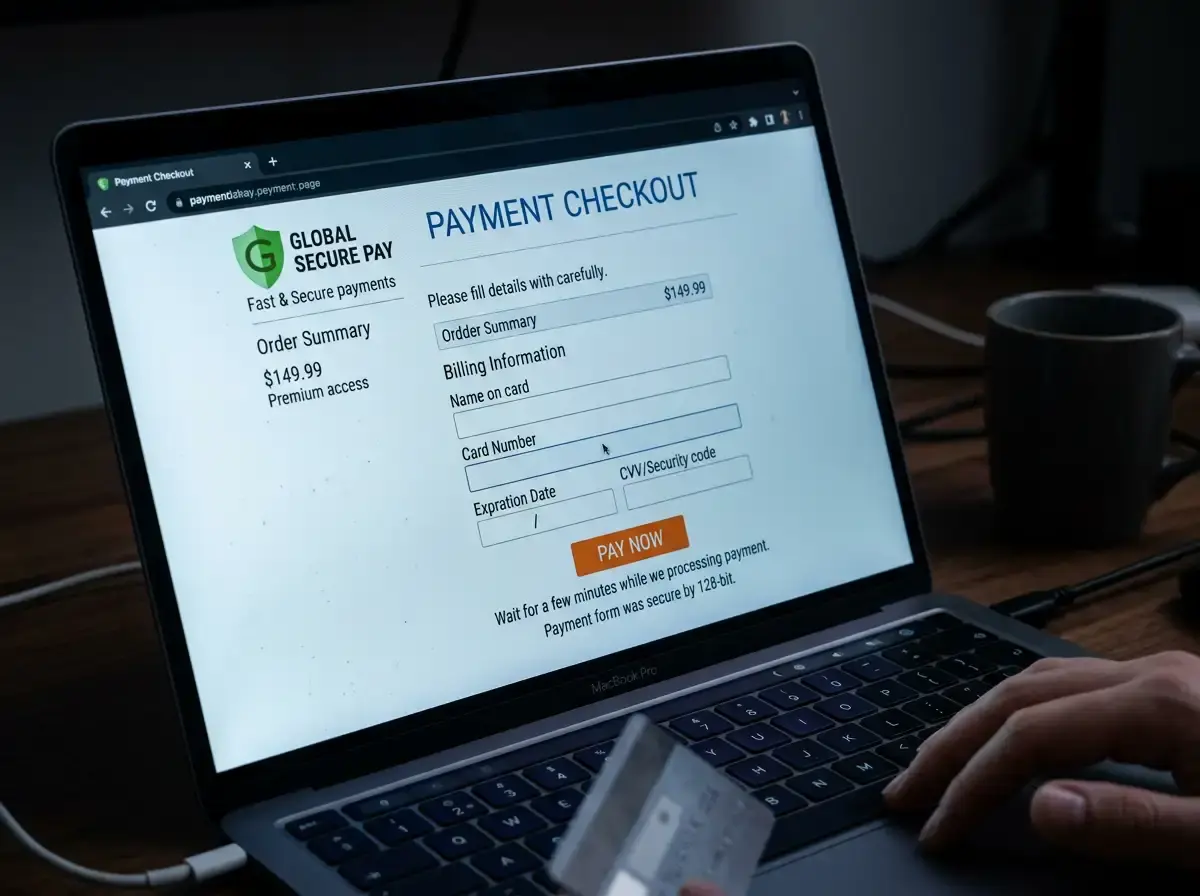
Three checks that catch most fake cashiers: First, verify the URL. A legitimate casino cashier sits on the casino’s primary domain — the same domain you used to log in. If the deposit page redirects to a different domain, even one that looks similar, don’t proceed. Second, check the PayID recipient details. When you initiate a PayID transfer through your banking app, your bank displays the recipient’s registered name before you confirm. That name should be a registered business entity consistent with the casino’s corporate identity. Third, look for HTTPS. While HTTPS alone doesn’t guarantee legitimacy, the absence of it on a cashier page is a definitive red flag. For a technical deep dive into how the name-checking system works, Confirmation of Payee is the protective layer that catches mismatched recipient names before your money moves.
What to Do After a Fraudulent PayID Transfer
If you’ve sent a PayID payment to what you believe is a fraudulent casino, speed matters. PayID transactions settle instantly and are not reversible in the way a credit card chargeback is. But that doesn’t mean there’s nothing you can do.

Contact your bank immediately. While the bank cannot reverse a settled NPP transaction unilaterally, they can flag the recipient account, contact the recipient’s bank, and initiate a recovery request. The success rate for fund recovery depends on how quickly you act — if the scammer hasn’t yet moved the funds from the receiving account, there’s a window where the recipient’s bank can place a hold on the funds while the dispute is investigated.
File a report with Scamwatch (the ACCC’s National Anti-Scam Centre) and with your state police. These reports feed into intelligence databases that help identify and shut down scam operations. Additionally, report the scam casino to ACMA — their enforcement team actively investigates illegal gambling operations and can add the site to the national blocked list.
Document everything: screenshots of the casino site, the PayID transaction details from your banking app, any communication with the supposed casino, and the original source (social media ad, email, text) that led you to the site. This documentation strengthens both the bank’s recovery effort and any subsequent investigation.




Social Media “Scambling”: The AP+ Warning
Australian Payments Plus coined the term “scambling” to describe the intersection of gambling and scam operations — particularly fraudulent casinos promoted through social media advertising. NAB’s Chris Sheehan captured the problem vividly when he warned that people trying to sell everyday items online are increasingly finding themselves caught up in scams that cost them far more than the item was worth.
Scambling operations typically run on platforms where ad targeting is precise but content moderation is reactive. A scam casino buys targeted ads aimed at Australians interested in gambling, pokies, or casino content. The ads link to a professional-looking site that accepts PayID deposits. By the time the platform removes the ads (if it does), the operation has already collected deposits from early responders. Before 2022, total fraud losses in Australia exceeded $3 billion, and the banking sector’s Scam-Safe Accord was created partly in response to this growing threat.
The social media angle adds a layer of perceived legitimacy that direct email scams lack. An ad appearing in your Instagram or Facebook feed feels different from a spam email — it’s been “approved” by the platform, which many users interpret (incorrectly) as an endorsement. The casino might have comments enabled with fake positive reviews, follower counts inflated by bots, and “testimonial” screenshots showing fabricated withdrawal confirmations.
My rule is simple: never deposit at a casino you first encountered through a social media ad without independent verification. Search the casino name with terms like “review,” “scam,” and “ACMA.” Check whether the operator appears in ACMA’s enforcement records. Verify the licence. These steps take five minutes and can prevent a loss that’s irreversible once the PayID transfer settles.