


New online casinos launch targeting Australian players at a rate that would be impressive if it weren’t also alarming. In the first five months of 2026 alone, I’ve tracked over forty new brands adding PayID to their cashiers — some operated by established groups rebranding existing platforms, others appearing with no discernible track record. The pace of new entrants creates a genuine evaluation challenge: how do you distinguish a legitimately new operator building something interesting from a quickly spun-up shell that might not be around in six months?
I’ve developed a checklist over my years in this space, refined by watching operators come and go. The markers that separate durable operations from disposable ones aren’t always obvious from a homepage tour. They live in the licensing details, the payment processing relationships, the game provider contracts, and the patterns that ACMA enforcement data reveals about which types of operators get blocked. This is that evaluation framework, built specifically for Australian players encountering new PayID casinos in 2026.
How to Evaluate a Newly Launched PayID Casino
The first thing I check isn’t the bonus offer or the game library — it’s the corporate structure. Who owns the operating company? Where is it incorporated? What licence does it hold, and from which jurisdiction? These aren’t academic questions. ACMA has blocked 1,708 illegal gambling sites and affiliates as of May 2026, with over 230 operators voluntarily exiting the Australian market since enforcement began in 2017. A significant portion of those blocked sites were new entrants that launched without adequate licensing or compliance infrastructure.
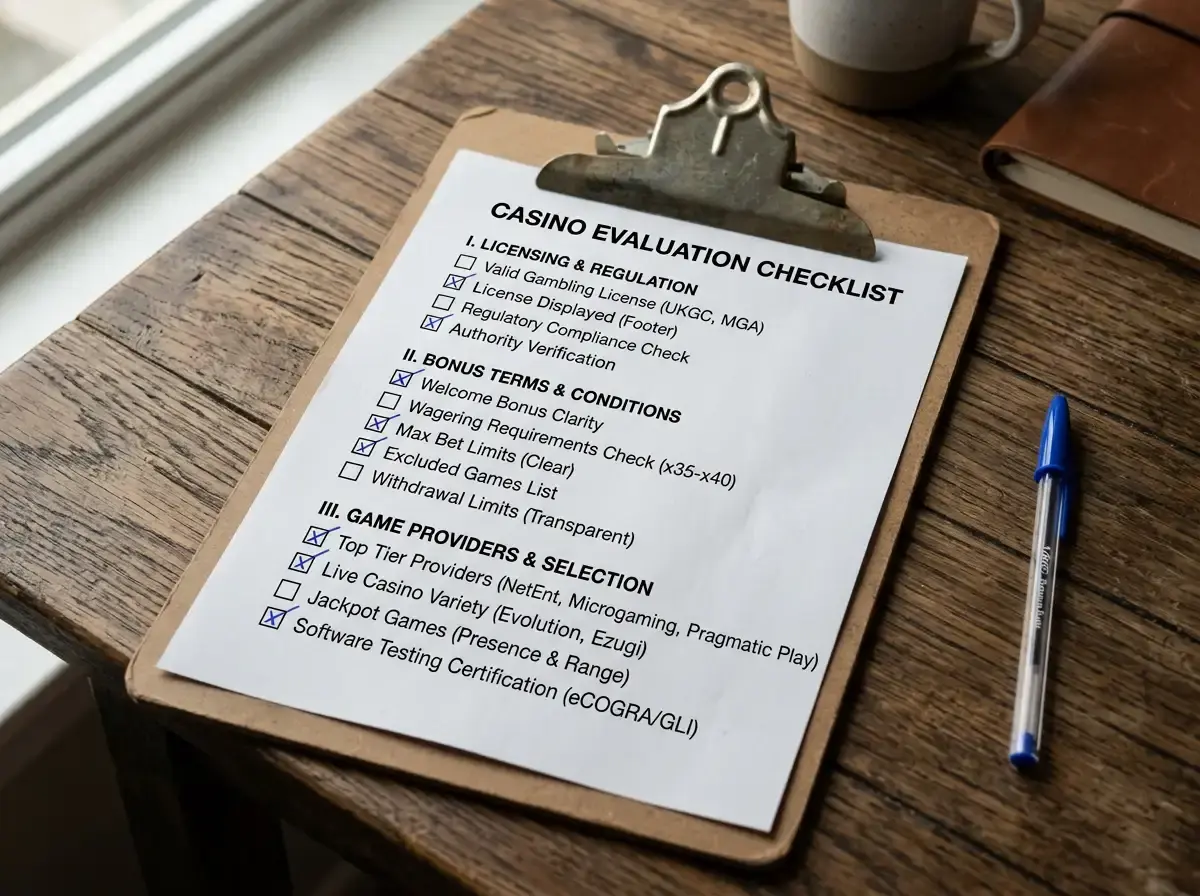
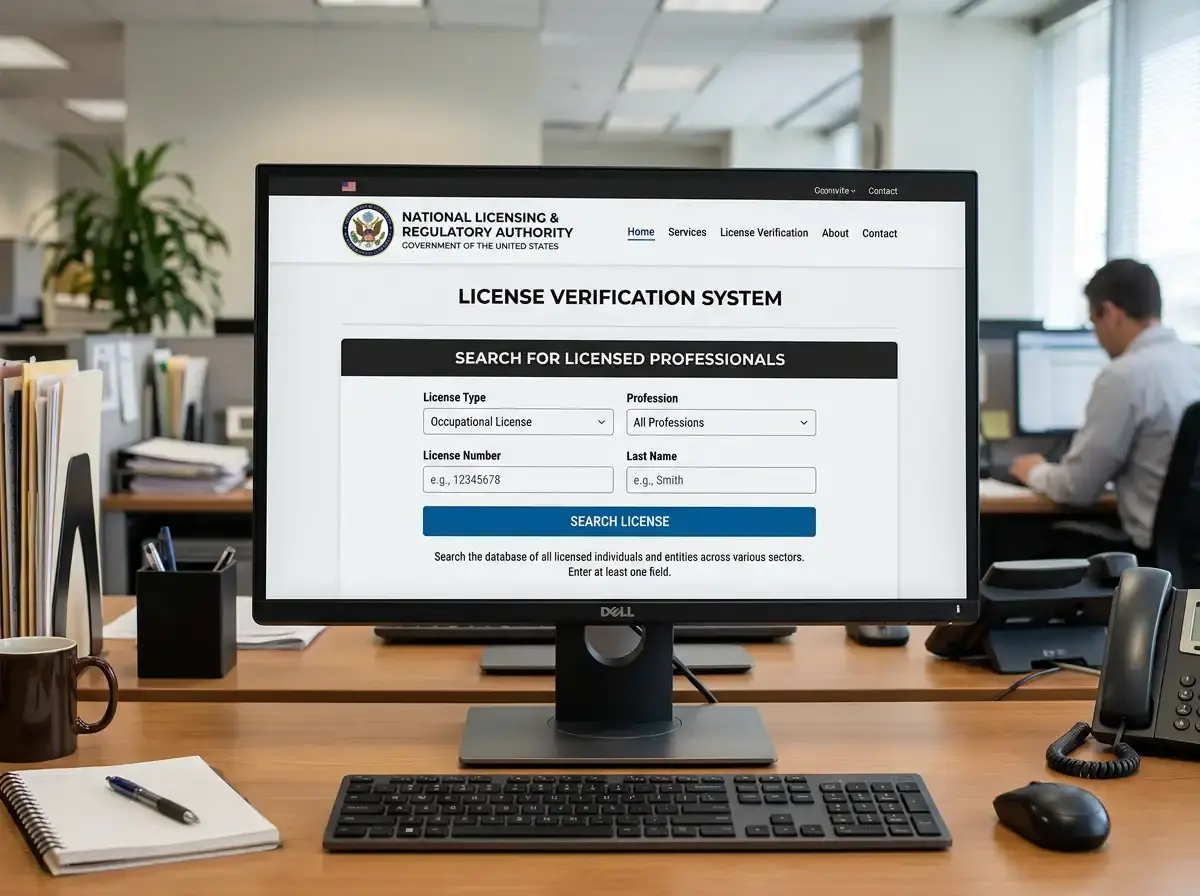
Start with the footer. A legitimate operator will display their licence number, the licencing authority, and the registered company name. Cross-reference this against the regulator’s public database — Curaçao’s Gaming Control Board, the Malta Gaming Authority, and the Isle of Man Gambling Supervision Commission all maintain searchable registries. If the licence number doesn’t appear in the regulator’s database, or if the company name on the licence doesn’t match the company name in the casino’s terms and conditions, that’s a structural red flag.
Next, examine the payment processing. A new casino that accepts PayID has established a relationship with a payment processor that connects to Australia’s NPP infrastructure. That’s a non-trivial integration — it requires banking relationships and compliance infrastructure that fly-by-night operations typically can’t arrange. PayID acceptance isn’t a guarantee of legitimacy, but it does indicate a level of operational investment that purely fraudulent sites rarely bother with.
The third check is game provider relationships. Legitimate software providers — Pragmatic Play, Evolution, Push Gaming, BGaming — conduct their own due diligence before licensing their content to a new casino. If a new site features games from established providers, it means those providers have vetted the operator to at least a baseline standard. A game library stocked entirely with obscure or unrecognisable providers is a different risk profile. The legal status guide covers the broader regulatory framework that governs which casinos can operate in the Australian market.
Licensing Red Flags: What ACMA Enforcement Data Tells Us
ACMA’s quarterly enforcement reports are the closest thing Australian players have to a public blacklist, and they’re worth reading directly rather than relying on second-hand summaries. In Q4 2025, ACMA investigated and found violations by operators including Stellar Ltd (operating Bass Bett, Frumzi, and Legiano), BrightStar Digital (operating Pokienations), and Dama N.V. — all serving the Australian market without appropriate authorisation.

The patterns in ACMA’s enforcement actions reveal which operator archetypes carry the highest risk. Multi-brand operators — companies running five, ten, or twenty casino brands under a single corporate entity — appear disproportionately in enforcement data. The economics are straightforward: launching multiple brands from the same backend is cheap, and if one gets blocked, the others continue operating until they’re individually flagged. When you encounter a new casino, searching the parent company name against ACMA’s published enforcement actions takes less than a minute and can reveal whether the corporate group has a history of regulatory non-compliance.
Curaçao-licensed operations dominate the new-entrant space for Australian-facing casinos, and they also dominate ACMA’s blocked list. This doesn’t mean every Curaçao-licensed casino is illegitimate — many operate responsibly. But the jurisdiction’s lighter regulatory touch means the variance in operator quality is wider. A new Curaçao-licensed casino deserves more scrutiny than a new MGA-licensed one, simply because the baseline compliance requirements differ significantly.
Kai Cantwell, CEO of Responsible Wagering Australia, described recent regulatory tightening as setting “a dangerous precedent” for the industry — a reaction that underscores how seriously the landscape is shifting. Whether you agree with the direction or not, the enforcement trajectory is clear: ACMA is blocking more sites, not fewer, and new entrants that can’t demonstrate compliance are increasingly likely to face action.
Bonus Structures at New 2026 Operators
New casinos almost always launch with aggressive bonus offers. The logic is simple: they need to acquire players quickly to build volume, and a headline-grabbing welcome package is the most direct acquisition tool available. But there’s a meaningful difference between a generous bonus and a well-structured one, and new operators get this wrong in predictable ways.

Watch for unrealistic match percentages. A 500% deposit match sounds extraordinary until you read the wagering requirement — which on offers that large is typically 50x to 60x, turning the bonus into a mathematical net negative for the player. The most useful bonuses at new casinos are moderate match percentages (100% to 200%) with wagering requirements below 35x and reasonable time limits (14+ days). These suggest an operator that expects to retain players through product quality rather than trapping them in unplayable bonus structures.
Also check whether PayID deposits qualify for the full bonus. Some new operators exclude bank transfer methods from bonus eligibility — a holdover from terms templates designed for markets where e-wallets are the dominant deposit method. If the bonus terms specifically list eligible payment methods and PayID or “bank transfer” isn’t among them, the headline offer is irrelevant to your deposit method.
Game Library Benchmarks for New Casinos
A new casino’s game library at launch tells you about its provider relationships and, by extension, its commercial viability. The minimum credible library in 2026 sits around 1,500 to 2,000 titles across pokies, table games, and live dealer. Anything significantly below that suggests either limited provider agreements or a rushed launch.

More important than raw count is provider diversity. A library with 3,000 titles but all from a single aggregator platform represents a different risk profile than a library with 2,000 titles sourced directly from ten established providers. Direct provider relationships are harder to establish and indicate a more serious operational commitment. Look for the presence of tier-one providers — Pragmatic Play, Evolution Gaming, Play’n GO, NetEnt — alongside specialist studios that add variety.
Live dealer availability is another signal. Integrating live tables from Evolution or Pragmatic Play Live requires dedicated infrastructure agreements and typically involves minimum volume commitments. A new casino that launches with live dealer from day one has invested in infrastructure that suggests it plans to be around for more than a few months.