


Three separate systems govern how much money you can move through PayID into an online casino — and none of them talk to each other. I’ve watched players attempt a A$3,000 deposit, get declined, and assume PayID has a A$2,000 limit. It didn’t. Their bank had a A$2,000 daily cap. The casino would have accepted A$10,000. The NPP infrastructure underneath would have processed A$100,000 without blinking. The confusion happens because the limit that stopped the transfer didn’t announce itself clearly, and most players don’t know which layer is responsible.
Think of PayID gambling transfers as passing through three gates. Each gate has its own rules, its own thresholds, and its own logic. The narrowest gate determines what actually goes through, regardless of how wide the other two are. Understanding all three is the only way to know your actual transfer ceiling — and the only way to diagnose what’s blocking you when a transfer fails.
Layer 1: NPP Infrastructure Limits
People assume the NPP — the New Payments Platform that processes every PayID transaction — must impose some kind of hard cap. After all, every payment system has limits, right? The reality is more nuanced than a simple number.

The NPP processed approximately 2 billion transactions across 2025, and as of the latest data, it handles more than 30% of all interbank transfers in Australia. The infrastructure was designed to handle everything from micro-payments to large commercial settlements on the same rails. There is no publicly documented per-transaction maximum that applies universally to all NPP participants. Individual participating institutions set their own limits based on their risk appetite, customer profiles, and regulatory obligations.
What the NPP does enforce is real-time settlement finality. Every transaction that enters the system either settles completely and immediately, or it’s rejected. There’s no pending state, no partial settlement, no “we’ll batch it later.” This is why PayID deposits are genuinely instant — when the transaction goes through, it goes through in full. When it’s blocked, it’s blocked at the bank or participant level, not at the NPP infrastructure level.
The practical takeaway: if your PayID transfer is being limited, it’s almost certainly not the NPP’s fault. The bottleneck sits one layer up, at your bank. The retirement of the old BECS batch clearing system — scheduled for completion by 2030 — will push even more traffic onto the NPP, but it won’t change the limit structure. BECS retires; the bank-level caps remain.
Layer 2: Bank-Imposed Daily Transfer Caps
This is the layer that catches most players off guard. Every Australian bank sets its own limits for PayID and NPP transfers, and these limits vary not just between banks but sometimes between account types, transfer methods, and customer segments within the same bank.
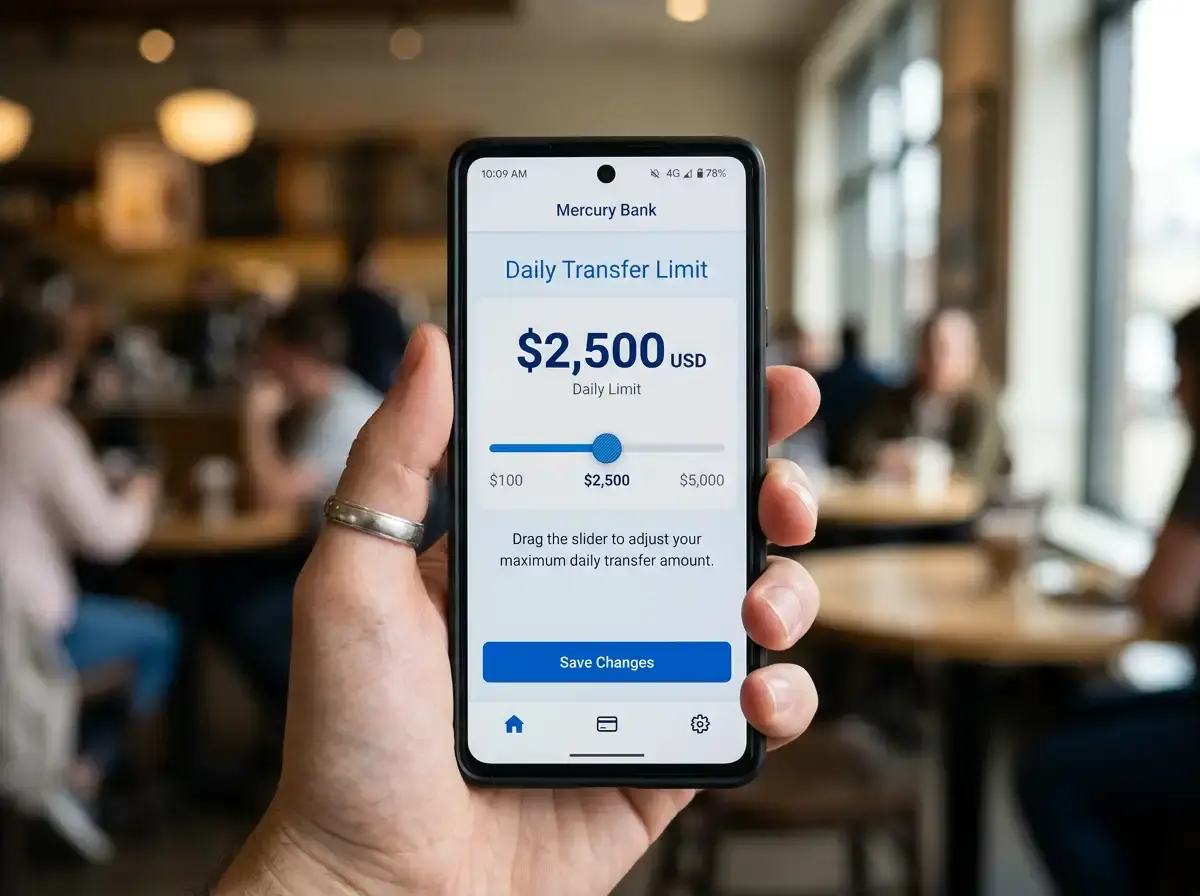
With over 114 million bank accounts connected to NPP sending and receiving, the range of limit structures is enormous. The Big Four banks — CommBank, ANZ, NAB, Westpac — each publish their standard daily transfer limits, but the numbers can differ by a factor of five or more between institutions. Some banks set a single daily cap that covers all outbound NPP transfers. Others apply per-transaction limits that reset immediately, meaning you could make ten A$2,000 transfers in a day but not one A$5,000 transfer.
Common limit structures I’ve documented across major institutions: per-transaction caps typically range from A$1,000 to A$10,000 for standard retail accounts. Daily aggregate caps typically range from A$5,000 to A$50,000. Some banks distinguish between transfers to known payees (people you’ve paid before) and new payees (first-time recipients), applying lower limits to new payees as a fraud prevention measure. Since casino deposit accounts are almost always new payees for the sender, this distinction directly affects gambling transfers.
Increasing your limits is usually possible but requires proactive action. Most banks allow temporary or permanent limit increases through their mobile app, internet banking portal, or by calling their support line. Some require branch visits for increases above certain thresholds. The process varies, but the principle is consistent: your default PayID limit is a starting point, not a hard ceiling. If you’re planning transfers that exceed it, adjust the limit before you need to make the payment — not in the middle of a session when you’re waiting for funds to arrive.
Layer 3: Casino Deposit and Withdrawal Ceilings
Even if the NPP can handle the amount and your bank will release it, the casino itself applies its own deposit caps. These are set in the cashier system and vary by operator, account tier, and sometimes by payment method.

Standard-tier deposit limits at most offshore casinos accepting Australian players sit between A$1,000 and A$5,000 per transaction. Some apply daily aggregate caps on top of per-transaction limits. Others reset the transaction limit immediately, allowing multiple deposits in rapid succession up to a daily ceiling. The inconsistency across operators is the most frustrating aspect — there’s no industry standard, and the limits aren’t always clearly documented until you hit them.
Withdrawal ceilings at the casino level are typically tighter than deposit limits and operate on different timeframes. Weekly withdrawal caps of A$5,000 to A$10,000 are common at standard tiers. Monthly caps may also apply. VIP and high-roller accounts often negotiate elevated limits, but these are handled on a case-by-case basis through the casino’s retention team. The high roller guide covers the VIP negotiation process and how tier advancement affects both deposit and withdrawal ceilings.

One detail that trips up new players: some casinos apply different limits based on payment method. A casino might accept A$5,000 via crypto but cap PayID deposits at A$2,000 because their payment processor for bank transfers has its own limits baked into the integration. If the cashier page shows a lower limit than you expected, it’s worth checking whether alternative methods have different ceilings.
Working Within the Limits: Practical Strategies
After years of navigating these overlapping limit structures, I’ve developed a practical pre-session checklist that saves time and prevents failed transfers.

Before your first deposit at any new casino, confirm your bank’s daily PayID limit through your banking app. If it’s lower than your intended deposit amount, request an increase before you start. Next, check the casino’s deposit limits — these are usually listed in the cashier or banking FAQ, though sometimes you need to contact support to get a clear answer. Calculate which layer is the bottleneck and plan accordingly.
If you need to split a deposit across multiple transactions, space them out rather than firing them in rapid succession. Back-to-back transfers to the same unfamiliar recipient can trigger your bank’s fraud detection, adding delays or temporary blocks. A gap of 15 to 30 minutes between transfers is usually sufficient to avoid automated flagging while still completing your deposits within a reasonable timeframe.
Keep records. If your bank questions a gambling-related transfer, having documentation of the casino’s deposit address, your account verification status, and the purpose of the transfer resolves the inquiry faster than trying to reconstruct the details after the fact. This is particularly relevant for players operating near AML reporting thresholds, where banks are obligated to document transaction patterns regardless of legitimacy.