


I spent three years recommending POLi to Australian players who wanted to avoid credit card surcharges. It was a solid enough workaround — log into your bank through a third-party gateway, confirm the payment, wait a few minutes for the deposit to land. Then PayID arrived on the casino scene, and within about eighteen months, the conversation shifted entirely. The two systems solve the same surface-level problem — moving AUD from a bank account to a casino balance without a card — but the engineering underneath could not be more different.
POLi is a screen-scraping service. It sits between your browser and your bank’s internet banking portal, automating the steps you’d normally complete manually. PayID, by contrast, runs on the New Payments Platform, the real-time interbank rail built by Australian Payments Plus. One is an overlay on legacy infrastructure; the other is native to the fastest payment network the country has ever deployed. That distinction drives every meaningful difference in speed, cost, and reliability.
This comparison breaks down both methods across the metrics that actually matter for casino deposits: how quickly funds arrive, what you pay in fees, which banks play nicely with each system, and where each method falls short. If you’ve been using POLi out of habit and wondering whether the switch is worth it — or if you’ve heard rumours about POLi’s future and want a clear picture — this is the analysis.
How POLi Processes Casino Payments
A mate of mine once described POLi as “remote control for your internet banking.” That’s not a bad analogy, but it undersells the friction involved. When you select POLi at a casino cashier, you’re redirected to the POLi gateway. You choose your bank, enter your internet banking credentials into the POLi interface, and the system logs in on your behalf, navigates to the payments screen, pre-fills the recipient details, and waits for you to confirm.
The entire transaction happens over your bank’s existing BECS infrastructure — the Bulk Electronic Clearing System that has been processing Australian interbank transfers since the 1990s. BECS was designed for batch processing, not real-time settlement. So even though the payment is initiated instantly, the actual clearing can take anywhere from a few minutes to several hours depending on your bank and the time of day. Payments initiated after the bank’s cut-off time might not settle until the next business day.
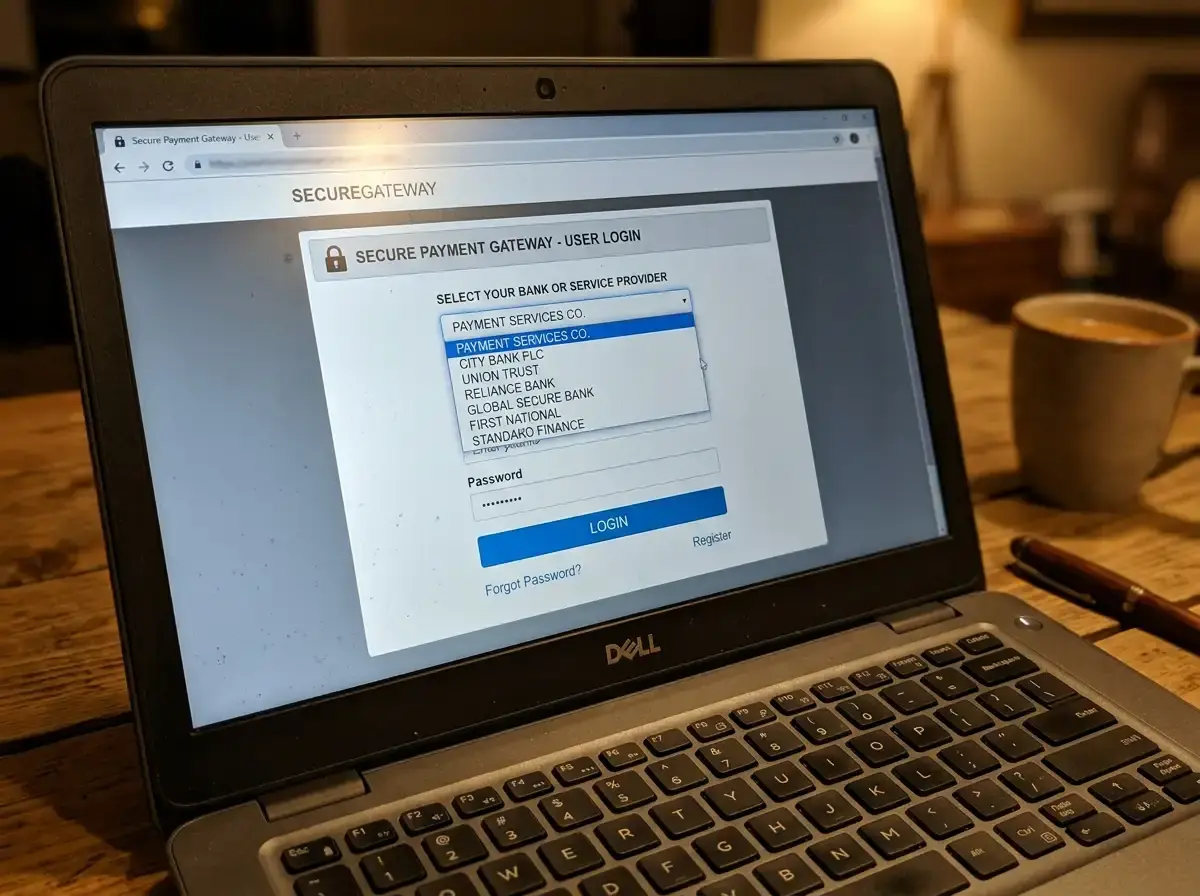
There are a few structural issues worth understanding. First, POLi requires you to hand your banking credentials to a third-party service. The major banks have historically been uncomfortable with this — Commonwealth Bank pulled official POLi support years ago, and others have issued warnings about third-party screen-scraping services potentially voiding fraud protections. Second, POLi only processes one-way transactions: deposits. There is no withdrawal pathway through POLi, which means you’ll always need a separate method for cashouts.
The service is owned by Merco Pty Ltd, and its future has been a topic of quiet industry speculation. With the NPP handling an ever-growing share of interbank traffic and the legacy BECS system slated for retirement by 2030, POLi’s underlying infrastructure is literally being phased out. That does not mean POLi will vanish tomorrow, but it does mean the platform is swimming against the current.
Processing Speed and Fee Comparison
Last October, I ran side-by-side deposit tests at three casinos that accept both POLi and PayID. The results weren’t even close. PayID deposits landed in the casino balance within 30 to 90 seconds every time — consistent with the NPP’s sub-minute settlement design. POLi deposits ranged from 4 minutes at best to just under 3 hours at worst, depending on which bank I tested and the time of day.
The speed gap comes down to infrastructure. The NPP settles transactions individually and in real time, 24 hours a day, 365 days a year. There’s no batching, no cut-off times, no weekend delays. The wholesale cost of an NPP transaction has dropped from $0.39 in 2019 to roughly $0.04 in the current financial year — a cost reduction that makes it economically trivial for casinos to accept. POLi, riding on BECS, is subject to batch windows and bank processing schedules that introduce unpredictable delays.
On fees, both methods are nominally free for the player. POLi has historically charged the merchant (the casino) a per-transaction fee, which some operators absorb and others quietly pass through via less favourable exchange rates or bonus terms. PayID carries no transaction fee on standard personal accounts — the NPP’s near-zero wholesale cost means neither the player nor the casino pays a meaningful per-transfer charge. Over 114 million bank accounts are connected to NPP rails, which means the coverage is essentially universal for anyone with an Australian bank account.
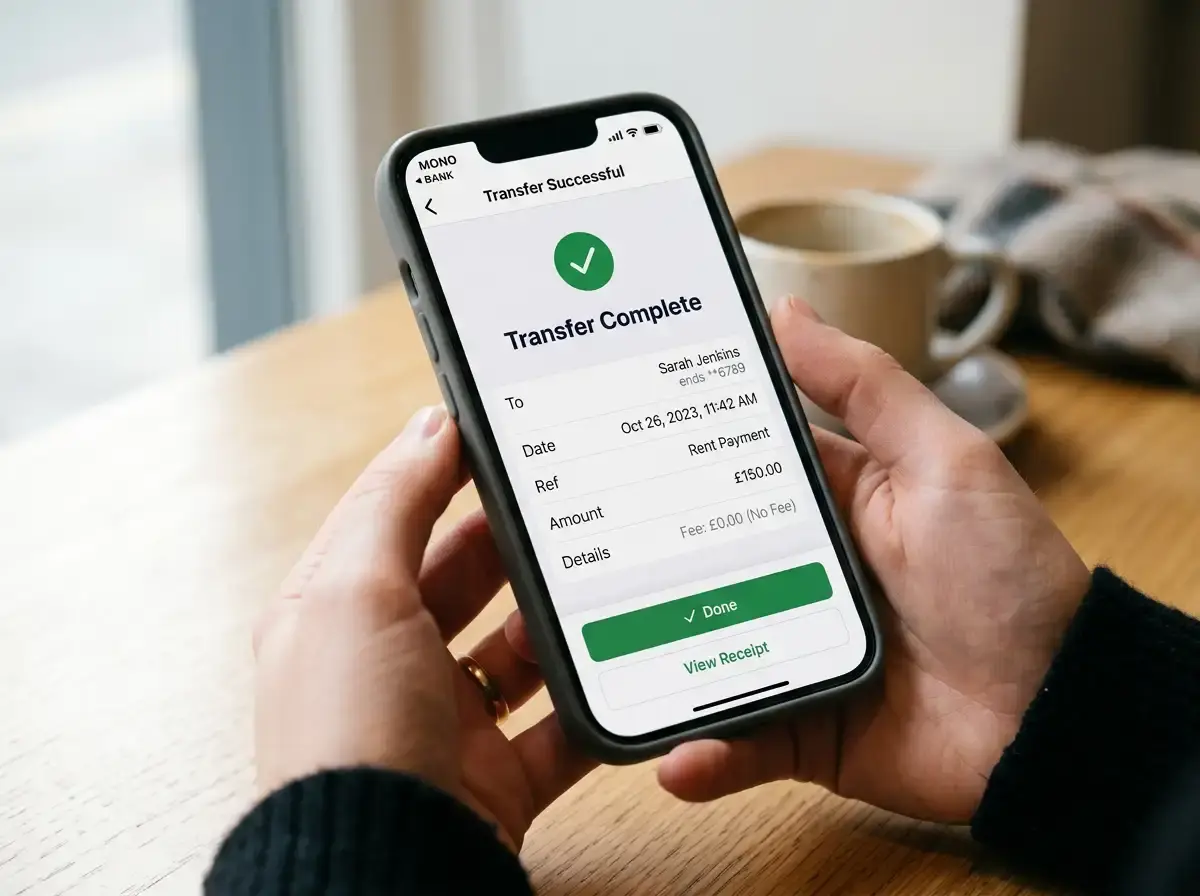
One area where POLi still holds a narrow technical edge: it doesn’t require any pre-registration. You don’t need to set up a PayID in your banking app before using POLi — you just need internet banking credentials. PayID requires a one-time setup step where you link your email or phone number to your bank account. It takes about two minutes, but it is an extra step that POLi skips entirely.
Bank Coverage: PayID’s Wider Reach
When POLi launched, its bank coverage was a genuine selling point. It supported the Big Four — CommBank, ANZ, NAB, Westpac — plus a handful of regional banks. But support has eroded over time. CommBank dropped official integration, and several smaller institutions never added it. The list of POLi-compatible banks today is shorter than it was five years ago.
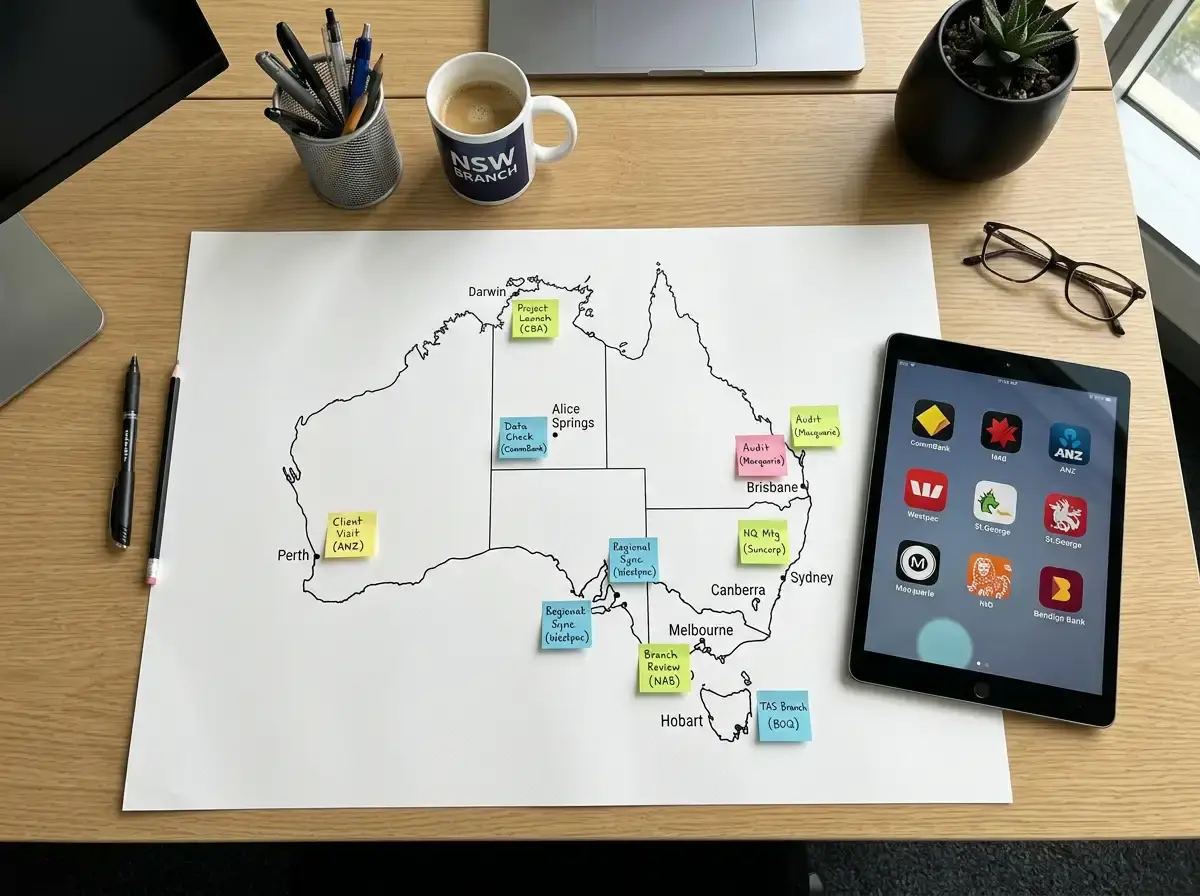
PayID sits on the opposite trajectory. More than 18.5 million PayIDs are now registered across the country, with some estimates putting the number above 27 million by mid-2025. Every institution connected to the NPP — and that includes every major bank, most credit unions, and a growing number of neobanks like Up, ING Australia, and Macquarie — supports PayID natively. You’re far more likely to have a bank that supports PayID than one that still works smoothly with POLi.
The practical difference shows up in edge cases. If you bank with a smaller credit union or a digital-only institution, POLi might not recognise your bank at the login screen. PayID doesn’t care who you bank with, as long as your institution is connected to the NPP — and at this point, virtually all of them are. For casino deposits, that universal compatibility removes a frustration point that POLi users have dealt with for years.
When to Choose PayID and When POLi Still Works
I won’t pretend this is a close call. For the vast majority of Australian players depositing at online casinos in 2026, PayID is the stronger option on every metric that matters: speed, bank coverage, security architecture, and future-proofing. The NPP infrastructure behind PayID is actively expanding, while the BECS infrastructure behind POLi is being wound down.

That said, POLi still functions. If you’ve been using it without issues and your bank still supports it, there’s no emergency forcing you to switch today. Some casinos that have accepted POLi for years haven’t yet added PayID to their cashier — though that number shrinks every quarter. If you encounter a casino that only offers POLi among bank transfer options, it works. But if both options are available, PayID delivers funds faster, doesn’t require sharing your banking credentials with a third party, and connects to an infrastructure that Australia is actively investing in rather than retiring. For a deeper look at the deposit mechanics, the PayID casino deposit guide walks through setup and processing benchmarks in detail.
The real question isn’t whether PayID is better than POLi — the infrastructure answers that clearly. The question is how long POLi will remain a viable option at all, given the direction Australian payments are heading.