

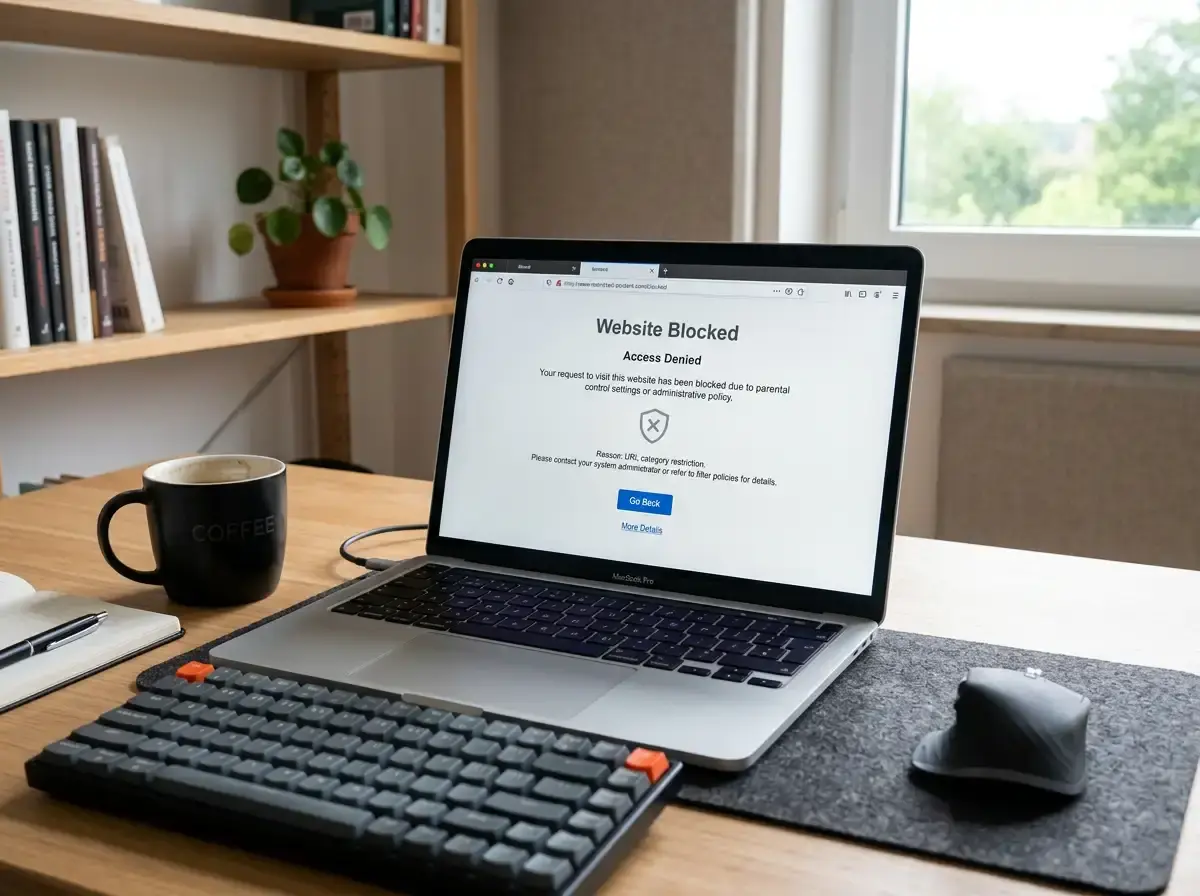
In late 2025, I tried to access a casino that I had been testing for a payment methods review. The site loaded a blank page. No error, no redirect — just nothing. A quick check confirmed what I suspected: ACMA had added the domain to its blocked site list. The Australian Communications and Media Authority has now blocked 1,708 illegal gambling websites and affiliate sites, making it one of the most active gambling site enforcement regimes in the world. The blocking happens quietly, without fanfare, and players often discover it only when a familiar URL stops resolving.
Understanding how the ACMA blocking process works is practical knowledge for any Australian who uses PayID to deposit at offshore casinos. The mechanism does not target the player — there is no penalty for attempting to access a blocked site — but it can affect your access to funds if a casino you use is added to the list while you have an active balance.
The ACMA Blocking Process: From Complaint to ISP Order
I traced the enforcement pipeline through ACMA’s published reports and found it more systematic than the public perception suggests. The process begins with one of three triggers: a public complaint to ACMA about an illegal gambling service, proactive surveillance by ACMA’s investigations team, or intelligence shared by international regulatory counterparts. Once a service is identified as potentially illegal under the Interactive Gambling Act 2001, ACMA initiates an investigation.
The investigation phase assesses whether the service provides interactive gambling to Australians without the required Australian licence. ACMA examines the site’s target market (Australian-specific content, AUD pricing, Australian payment methods including PayID), its licensing status, and whether it has been previously warned. In Q4 2025, ACMA investigated complaints against Stellar Ltd operating Bass Bett, Frumzi, and Legiano; BrightStar Digital operating Pokienations; and Dama N.V. — all of which were found to be in violation.
When a violation is confirmed, ACMA issues a blocking notice to Australian internet service providers. ISPs are legally required to comply, typically within a set timeframe. The block operates at the DNS level — your ISP prevents the domain from resolving to an IP address. This is not a sophisticated technical barrier, but it is effective against casual access and sends a clear regulatory signal to the operator.
The speed of the process varies. Some investigations conclude within weeks. Others, particularly those involving operators in jurisdictions with limited cooperation agreements, take months. ACMA does not publish a fixed timeline, and operators are not always notified before blocking occurs. The first indication a player might have is the site becoming inaccessible.
Recent Enforcement: Q4 2025 Cases
The Q4 2025 enforcement round illustrates the pattern. Stellar Ltd, a company operating under a Curacao licence, ran three casino brands — Bass Bett, Frumzi, and Legiano — all of which accepted Australian players and PayID deposits. ACMA determined the services were illegal under the IGA and issued blocking notices. BrightStar Digital’s Pokienations platform received similar treatment. Dama N.V., a serial offender with multiple blocked brands in previous quarters, saw additional domains added to the list.

These cases share common characteristics: Curacao licensing (which ACMA does not recognise as equivalent to Australian regulation), active marketing to Australian players, acceptance of AUD deposits via PayID and other Australian payment methods, and failure to comply with Australian responsible gambling requirements. The pattern is consistent across years of enforcement — the operators most likely to be blocked are those most aggressively targeting the Australian market without Australian licensing.
ACMA’s enforcement has accelerated over time. The total of 1,708 blocked sites represents cumulative action since the blocking regime began, with the pace increasing as ACMA’s surveillance capacity has expanded. The Q4 2025 round alone added dozens of domains across several operator groups, including mirror sites and affiliate marketing pages that funnelled Australian players to blocked casinos.

How to Verify Whether a Casino Is Blocked
The most direct method is simply trying to access the site from an Australian internet connection without a VPN. If the site loads, it is not currently blocked. If it does not, it may be blocked — though server downtime, domain changes, and other technical issues can produce the same result. ACMA publishes its enforcement actions in quarterly reports, which name the operators and brands affected. These reports are available on the ACMA website and provide the most authoritative source of information about blocked services.
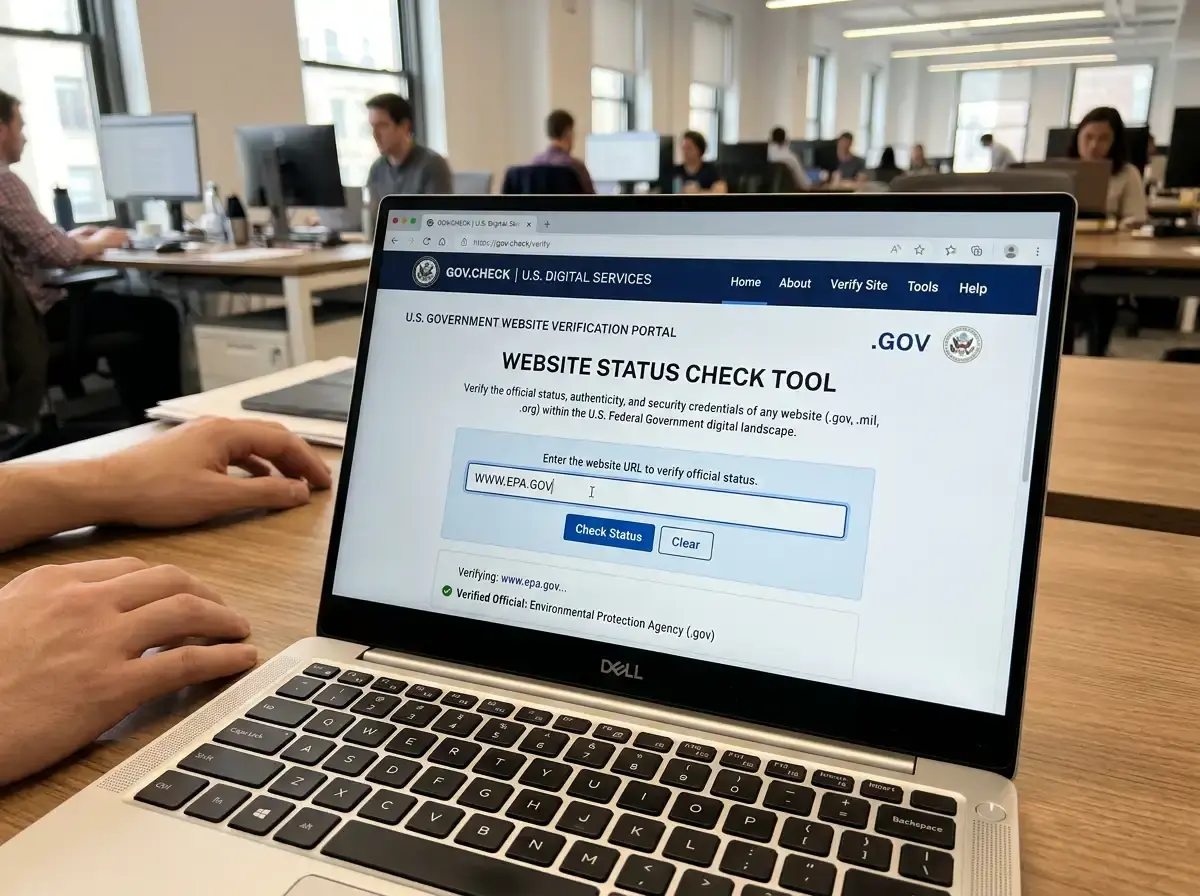
ACMA does not maintain a publicly searchable real-time database of every blocked URL. The quarterly reports list new enforcement actions but do not consolidate them into a single searchable list. Third-party sites compile these reports into searchable databases, though the accuracy and currency of these unofficial lists varies. If you need to verify a specific casino’s status, checking the most recent ACMA quarterly report and searching for the operator or brand name is the most reliable approach.
Before depositing via PayID at any new offshore casino, spending five minutes checking ACMA’s recent enforcement reports is a worthwhile precaution. If the operator or a related brand has appeared in recent enforcement actions, that is a strong signal that the casino may be blocked or is at elevated risk of future blocking.
The 230+ Operators That Left Voluntarily
Alongside the 1,708 blocked sites, more than 230 illegal gambling operators have voluntarily withdrawn from the Australian market since 2017. These voluntary exits typically follow a formal warning from ACMA — a notice that the authority is aware of the operator’s illegal service and intends to pursue enforcement action. Faced with the prospect of blocking and the reputational damage it entails, many operators choose to withdraw rather than fight.

Voluntary withdrawal usually means the operator stops accepting new Australian registrations, closes existing Australian accounts (with balance payouts), and removes Australian-targeted marketing content. From a player perspective, a voluntary withdrawal is less disruptive than a sudden blocking — you receive your funds and advance notice that the service is ending. From ACMA’s perspective, voluntary exits are an efficient outcome because they achieve the regulatory goal without the administrative cost of blocking proceedings.
The cumulative effect — nearly 2,000 blocked or withdrawn services — represents a significant reshaping of the offshore gambling landscape available to Australians. The operators that remain active are either too small to have attracted ACMA’s attention, too new to have been investigated yet, or operating under licensing arrangements that they believe provide some degree of protection. None of these categories is a guarantee of long-term availability.