


Moving A$5,000 or more into an online casino account sounds like it should be straightforward — you’re the one with the money, after all. But the reality involves navigating three separate sets of limits that don’t always communicate with each other: what the NPP infrastructure permits, what your bank allows, and what the casino’s own cashier system caps. I’ve spent the better part of two years tracking these limits for high-volume players, and the inconsistencies are remarkable. One bank might let you transfer A$20,000 in a single day while another caps you at A$5,000. One casino might accept a A$10,000 deposit while another limits single transactions to A$2,000.
If you’re operating at the higher end of deposit volumes, understanding where each limit sits — and who controls it — is the difference between a smooth session and a frustrating series of declined transfers. This guide maps all three layers and covers the VIP mechanics that can shift the boundaries in your favour.
NPP Transaction Ceilings and Bank-Imposed Limits
A question I get asked constantly: does the NPP itself cap how much you can transfer? The short answer is that the NPP as infrastructure does not impose a hard per-transaction ceiling on consumer accounts. The system processed AUD 1.99 trillion across 1.6 billion transactions in 2024 — a 23% increase over the prior year. That volume includes everything from A$5 coffee payments to multi-million-dollar business settlements. The rails themselves can handle large amounts.

The limits you’ll actually hit are set by your bank, not the NPP. Each financial institution defines its own daily transfer caps and per-transaction maximums for PayID and NPP transfers. These limits vary significantly. CommBank, for instance, has historically set different caps for new and established accounts, with higher limits available to customers who’ve held accounts for longer or who request elevated thresholds through their branch or phone banking. ANZ, NAB, and Westpac each apply their own structures, and the caps can differ between mobile app transfers and internet banking transfers even within the same bank.
For high-volume players, the practical ceiling is typically somewhere between A$10,000 and A$50,000 per day depending on your bank and account history. Some banks will increase these limits upon request — particularly for business accounts or long-standing customers with clean transaction histories. Others are rigid. The only way to know your specific cap is to check within your banking app or contact your bank directly. Don’t assume that a successful A$5,000 transfer means A$10,000 will also go through — the limits aren’t always linear.
One nuance worth noting: banks are increasingly sophisticated about flagging gambling-related transfers. Even if your daily limit technically permits a large transfer, a sudden spike in outbound payments to unfamiliar recipients can trigger fraud detection systems. If you’ve never transferred A$10,000 via PayID before and suddenly attempt it to a casino-linked account, expect a potential delay while the bank’s automated systems review the transaction.
How VIP Programs Adjust PayID Deposit Limits
Last year I consulted for a player who’d been depositing A$2,000 per session and couldn’t understand why the casino’s cashier rejected a A$5,000 transfer. The answer was tier-based: his account was still classified as a standard-level player, and the casino’s default deposit cap was A$2,500 per transaction. After contacting the VIP team and providing additional verification documents, his limit was raised to A$15,000 within 48 hours.

Most offshore casinos operate multi-tier VIP structures that directly affect deposit and withdrawal limits. The entry-level tier typically mirrors the public deposit caps — A$1,000 to A$3,000 per transaction. As you move up through tiers (often labelled something like Silver, Gold, Platinum, Diamond), each level unlocks higher transaction limits, faster processing times, and in some cases dedicated account managers who can manually approve oversized transfers.
VIP tier advancement is usually tied to cumulative deposit volume, wagering volume, or both. Some casinos track “comp points” earned through play and convert them into tier status. Others evaluate players on a monthly rolling basis. The criteria aren’t always transparent — many operators consider VIP status an invitation-only program above a certain tier, with manual review by the casino’s retention team.
What’s important for PayID users specifically is that VIP-elevated limits apply at the casino side, not the bank side. Even if a casino raises your deposit cap to A$50,000, your bank’s PayID daily limit still governs what you can actually transfer. High rollers often need to coordinate both sides: increase the bank limit and secure VIP status at the casino. The PayID pokies guide covers deposit flow mechanics in more detail for players who want to understand how funds move from bank to balance.
Managing Large AUD Transfers: Split Payments and Verification
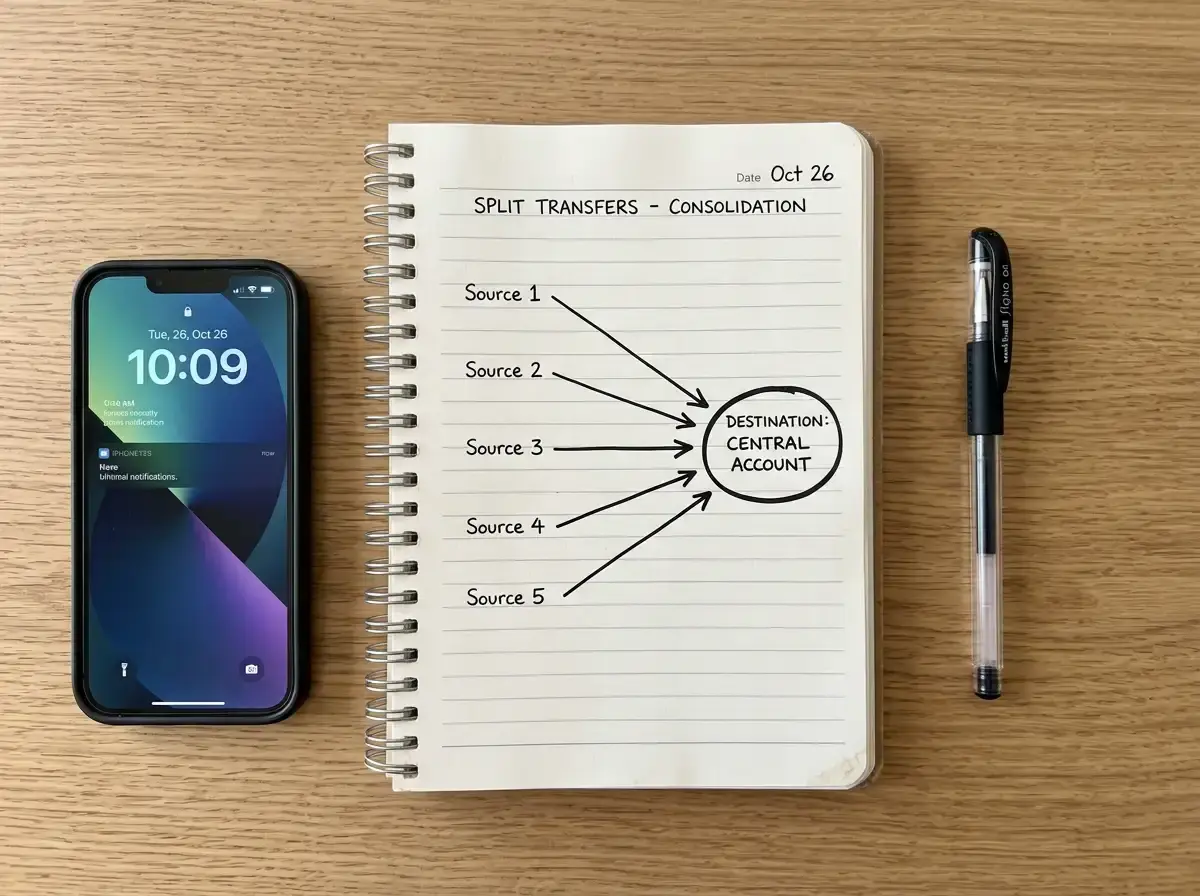
When a single transfer won’t cover your intended deposit, the fallback is splitting the amount across multiple PayID transactions. This works, but it introduces complications worth anticipating.

First, the compliance dimension. Australia’s AML/CTF framework — updated in late 2025 with penalties reaching AUD 2.2 million per corporate violation — includes provisions around structuring, which is the deliberate splitting of transactions to avoid reporting thresholds. If your bank detects a pattern of multiple transfers just below their daily limit being sent to the same recipient in rapid succession, it may flag the activity for review. I’m not suggesting that splitting a A$10,000 deposit into two A$5,000 transfers constitutes structuring in a legal sense — context matters, and legitimate players managing bank-imposed limits aren’t the target of these rules. But the automated detection systems don’t always distinguish intent.
Second, some casinos apply per-transaction bonuses or per-transaction limits rather than daily limits. Splitting a A$10,000 deposit into five A$2,000 transfers might trigger five separate bonus calculations instead of one, which can create complications if bonus terms restrict multiple claims within a single day. Always check whether the casino’s cashier applies limits per transaction or per 24-hour rolling period.
Third, verification escalations are common for large cumulative deposits. A casino that processed your A$1,000 deposits without any friction may suddenly request source-of-funds documentation when your weekly volume crosses A$10,000. This isn’t punitive — it’s a compliance obligation. Having bank statements, payslips, or other documentation ready in advance prevents delays that can lock your funds in limbo during the review period.
VIP-Specific Withdrawal Caps and Processing Priority
Deposit limits get most of the attention, but withdrawal caps are where high rollers feel the most friction. A standard-tier player at many offshore casinos faces weekly withdrawal limits of A$5,000 to A$10,000. If you’ve built a balance of A$50,000 through play, extracting that at A$5,000 per week means ten weeks of waiting — assuming no further complications.

VIP status typically raises these caps substantially. Higher-tier players might access weekly withdrawal limits of A$25,000 to A$50,000 or more, with some casinos offering unlimited withdrawals at the top tier. Processing priority also shifts: where standard withdrawals might sit in a queue for 24 to 72 hours, VIP withdrawals often move to a priority queue with processing within a few hours.
The catch is that these elevated limits are at the casino’s discretion, not contractually guaranteed in most cases. A casino that promises A$50,000 weekly withdrawals for VIP players might still apply manual review to any single withdrawal above A$10,000, adding days to the timeline. And if the casino questions the source of a large balance — particularly after a big win on a high-variance game — the verification process can temporarily override VIP processing speeds entirely.
My advice for anyone operating at high-volume levels: complete full KYC verification before you need to withdraw, maintain clear records of your deposit history and play activity, and establish a direct relationship with the VIP team before your first large cashout. The players who experience the smoothest high-value withdrawals are invariably the ones who front-loaded their compliance documentation rather than scrambling when a payout request triggered a review.